For the ten percent of the population who are left-handed, navigating a world predominantly designed for right-handers can often feel like a subtle, everyday challenge. This is especially true in the kitchen, where a simple tool like kitchen shears can become a source of frustration rather than a helper. But what if there was a tool perfectly crafted to fit your natural movements, ensuring comfort, precision, and efficiency with every cut? Enter left-handed kitchen shears – a true game-changer that transforms your culinary experience.
The Unseen Challenge: Why Standard Shears Fail Left-Handers
You might wonder why a pair of scissors feels so awkward in your left hand, or why your cuts often look jagged. The truth lies in the fundamental design. Most standard kitchen shears are engineered with the right blade sitting on top of the left when held in the right hand. When a right-handed person closes the handles, this configuration naturally pushes the blades together, creating a clean, efficient cut.
However, when a left-handed individual uses these same shears, their natural hand motion pushes the blades apart instead of together. This isn’t just inefficient; it leads to a host of problems. You might find materials bending or tearing rather than cutting cleanly, resulting in frustratingly frayed edges. Furthermore, the blade orientation often obstructs your view of the cutting line, making it nearly impossible to achieve accurate, straight cuts. This constant struggle to compensate can lead to discomfort, sore thumb knuckles, and an aching hand, turning even simple tasks into a chore.
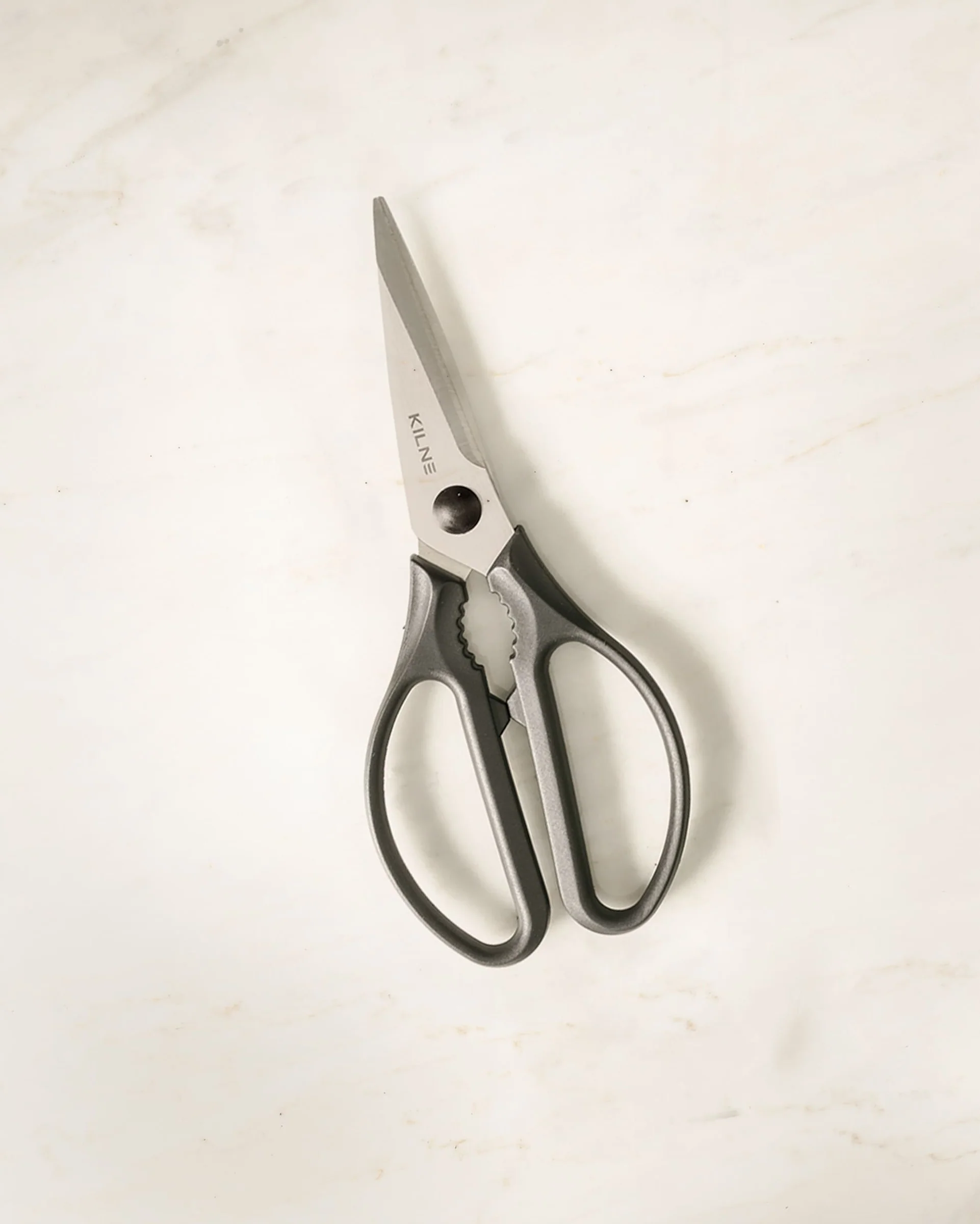
A Cut Above: What Makes Left-Handed Kitchen Shears Different?
The difference a true pair of left-handed kitchen shears makes is profound, all thanks to a thoughtful reversal of design.
Blade Orientation
In left-handed shears, the left blade is positioned on top. This “mirror image” design ensures that when you naturally close your left hand, the blades are gently pulled together. This crucial distinction maximizes the cutting force transmission, allowing for a smooth and effortless slicing action along the entire length of the blades. It also means you get a clear, unobstructed view of your cutting line, boosting your precision and confidence in every task.
Force Transmission
With the correct blade alignment, your hand’s natural movements work in harmony with the shears. Instead of fighting against the tool to keep the blades together, your grip actively aids the cutting process. This optimized force transmission translates to cleaner cuts and less effort, preventing the bending and tearing of ingredients that often occur with ill-fitting tools.
Ergonomic Handles
Beyond blade mechanics, true left-handed shears often feature ergonomically designed handles sculpted specifically to fit the contours of the left hand. This tailored grip reduces strain on your thumb and fingers, providing superior control and comfort during extended use. No more awkward pressure points or discomfort – just a natural, secure hold that feels like an extension of your own hand.
A Brief History of Kitchen Shears
While the concept of cutting tools is ancient, kitchen shears as we know them have evolved significantly over time. Originally, basic scissors were adapted for culinary tasks, but as cooking became more refined, specialized shears emerged. These dedicated kitchen tools were designed to handle everything from snipping herbs to breaking down poultry, tasks often too cumbersome or unsafe for a chef’s knife alone. The recognition of handedness in tool design is a more recent development, driven by a greater understanding of ergonomics and the specific needs of left-handed individuals seeking the same efficiency and comfort as their right-handed counterparts.
Beyond the Basics: Types and Uses of Kitchen Shears
Kitchen shears are incredibly versatile, proving their worth in countless culinary scenarios.
- General Purpose Shears: These are your everyday workhorses, perfect for snipping delicate herbs, opening stubborn packaging, or even cutting parchment paper to size.
- Heavy-Duty Poultry Shears: Designed with robust, often curved blades and powerful springs, these make quick work of spatchcocking a chicken, trimming fat, or cutting through small bones.
- Herb Shears: Some specialized shears feature multiple blades for rapid herb mincing.
- Multi-functional Shears: Many modern kitchen shears come equipped with extra features like a built-in nutcracker, bottle opener, jar opener, or even a bone notch, adding even more utility to a single tool.
|
Our Picks for the Best Kitchen Shears in 2026
As an Amazon Associate I earn from qualifying purchases.
|
||
| Num | Product | Action |
|---|---|---|
| 1 | KitchenAid All Purpose Kitchen Shears with Protective Sheath Durable Stainless Steel Scissors, Dishwasher Safe, Soft Grip Comfort Handle, 8.72 Inch, Black |

|
| 2 | KitchenAid All Purpose Kitchen Shears with Protective Sheath Durable Stainless Steel Scissors, Dishwasher Safe, Soft Grip Comfort Handle, 8.72 Inch, Red |
|
| 3 | iBayam Kitchen Scissors All Purpose Heavy Duty, Kitchen Utensils Set, Stainless Steel Cooking Utensils Gadgets, Meat Poultry Food Shears Dishwasher Safe Utility Tools Home Gift, with Protective Sheath |
|
| 4 | Kitchen Scissors all Purpose, Stainless Steel Kitchen Shears, Meat Scissors Heavy Duty Sharp Shears, Kitchens Accessories Cooking Shear for Meat Chicken Fish Poultry Herb Bread |
|
| 5 | Kitchen Shears by Gidli - Liftime Replacement Warranty* - Includes Seafood Scissors As a Bonus - Heavy Duty Utility Stainless Steel All Purpose Ultra Sharp Scissors for Food/Cooking |
|
| 6 | Hammer Stahl Kitchen Shears |
|
| 7 | HUUSK Kitchen Scissors All Purpose - Stainless Steel Kitchen Shear, Sharp Silver Meat Scissors Dishwasher Safe, Heavy Duty Poultry Shears, Japanese Cooking Scissor for Food, Christmas Gifts for Women |
|
| 8 | Kitchen Scissors for Food Japanese - Poultry Shears, Japanese All Purpose Heavy Duty for Chicken Wing/Bone, Meat, Quail, Fish, Turkey, Vegetables, Stainless Steel Cooking Aid Scissors, Dishwasher Safe |
|
| 9 | HENCKELS Kitchen Shears, Made in Japan, Kitchen Scissors |
|
| 10 | OXO Good Grips Multi-Purpose Kitchen and Herbs Scissors |
|
Choosing Your Perfect Pair: A Left-Hander’s Buying Guide
Selecting the right pair of left-handed kitchen shears involves more than just picking a pretty handle. Here’s what you should consider:
Blade Material & Sharpness
Look for shears made from high-quality stainless steel, which offers durability, corrosion resistance, and excellent edge retention. Finely serrated blades can be a huge plus, as they help grip slippery foods like chicken skin or delicate herbs, preventing them from sliding during a cut.
Handle Comfort & Grip
Ergonomics are paramount for left-handers. Seek out shears with soft, comfortable handles, often made from resin or a non-slip rubbery grip. The design should fit naturally in your left hand without causing pressure points, even during extended use. Some shears have symmetrical handles that claim ambidextrous use, but remember, the blade orientation is the true indicator of left-handed functionality.
Disassembly for Cleaning
This feature is a game-changer for hygiene. Shears that easily come apart allow for thorough cleaning, especially after handling raw meats or sticky foods. This prevents bacterial buildup and ensures your shears remain pristine and safe for all kitchen tasks. While some true left-handed shears might not always offer this feature, it’s a significant benefit to prioritize when possible.
Versatility
Consider the range of tasks you expect your shears to handle. Do you need them primarily for herbs, or will you be breaking down whole poultry? A versatile pair can tackle numerous jobs, from cutting bacon to snipping spring onions, and even opening tough plastic packaging.
True Left-Handed vs. Ambidextrous
Be wary of shears marketed as “ambidextrous” solely because their handles are symmetrical. While comfortable handles are important, a truly left-handed cutting experience hinges on the reversed blade orientation. Always confirm that the left blade is on top when open for optimal performance.
Using Your Left-Handed Shears Safely and Effectively
Once you’ve found your ideal left-handed kitchen shears, mastering their use will make them an indispensable tool.
- Proper Grip: Hold the shears firmly but comfortably, ensuring your fingers fit naturally into the handle loops. Let the shears do the work; avoid unnecessary squeezing.
- Techniques: For delicate herbs, use quick, precise snips. When tackling poultry, use the powerful leverage near the pivot point for bones, and the blade tips for detailed trimming.
- Safety First: Always cut away from your body and fingers. Keep your fingers clear of the blades and ensure a stable grip on the food you’re cutting.
Care and Maintenance for Lasting Sharpness
To ensure your left-handed kitchen shears remain a reliable partner for years, proper care is essential.
- Washing Tips: After each use, especially with raw foods, rinse your shears immediately. If they disassemble, take them apart for a thorough wash with warm, soapy water. While some are dishwasher-safe, hand washing often preserves their edge and finish better.
- Drying and Storage: Always dry your shears completely before storing to prevent rust. Store them safely, perhaps in a blade guard or a designated drawer slot, to protect their edges and prevent accidental cuts.
- Sharpening: Like knives, shears can dull over time. Regular sharpening by a professional or with a suitable sharpener will maintain their cutting prowess.
The Unsung Hero: Benefits of Left-Handed Shears Over Knives
While knives are indispensable, kitchen shears offer distinct advantages, especially for left-handers with the right tool.
- Precision for Delicate Tasks: Shears offer unparalleled control for tasks like mincing herbs directly into a pot, trimming pastry, or segmenting citrus.
- Enhanced Safety: Using shears can be safer than a knife for many tasks, reducing the risk of accidental slips, especially when dealing with slippery foods or intricate cuts.
- Unmatched Convenience: Cut food directly into bowls, pans, or plates without needing a cutting board, minimizing cleanup and streamlining your cooking process.
Creative and Unexpected Uses for Your Left-Handed Kitchen Shears
Your left-handed kitchen shears are capable of far more than just poultry. Get creative!
- Pizza Perfector: Slice a hot pizza quickly and neatly without dragging cheese or toppings.
- Toddler Food Prep: Easily cut up cooked meats, vegetables, or even pasta into bite-sized pieces for little ones, often right on their plate.
- Packaging Assassin: Effortlessly open stubborn plastic packaging, sealed bags, or tough food containers.
- Baking Buddy: Trim pie crusts, cut parchment paper, or even snip dried fruit for baking.
- Cocktail Crafting: Garnish drinks with perfectly cut fruit slices or herbs.
As Emily Davies, a seasoned kitchen tool expert, often remarks, “For left-handed cooks, the right pair of shears isn’t just a convenience; it’s an empowerment. It transforms a frustrating task into a fluid, enjoyable experience, unlocking true culinary potential.”
Frequently Asked Questions
Q: Do left-handed kitchen shears cost more than right-handed ones?
A: Sometimes, yes. Due to the smaller market size for specialized left-handed tools, they can occasionally be priced slightly higher than their right-handed counterparts. However, the investment often pays off in terms of comfort, efficiency, and reduced frustration.
Q: Can I just flip right-handed shears over to use them left-handed?
A: While you can physically hold them that way, it doesn’t solve the core issue. Flipping them over won’t change the blade orientation, meaning you’ll still experience blades pushing apart, obscured cutting lines, and uncomfortable handling.
Q: How do I know if my shears are truly left-handed?
A: The easiest way to tell is by observing the blade overlap. When held in your left hand and partially opened, the left blade should be on top, allowing you a clear view of the cutting edge and ensuring the blades naturally pull together as you cut.
Q: Are ambidextrous shears good enough for left-handers?
A: Many “ambidextrous” shears only offer symmetrical handles, which can be more comfortable for left-handers than asymmetrical right-handed handles. However, if the blade orientation remains right-handed, you might still face cutting efficiency and visibility issues. True left-handed shears are generally preferred for optimal performance.
Q: What’s the best way to clean left-handed kitchen shears?
A: If your shears disassemble, take them apart and wash each blade separately with warm, soapy water. If they don’t, wash them thoroughly, paying close attention to the pivot area. Always rinse well and dry immediately to prevent rust and maintain hygiene.
Embracing the right tools can truly elevate your time in the kitchen. For left-handed cooks, discovering the perfect pair of left-handed kitchen shears is more than just an upgrade; it’s an invitation to cook with newfound ease and joy. So go ahead, find your ideal shears, and experience the difference a truly tailored tool can make. Your culinary journey is about to get a whole lot smoother.