In the bustling heart of any home, the kitchen is where magic happens – and often, where a lot of cutting, snipping, and slicing takes place. While knives traditionally reign supreme, there’s an unsung hero quietly revolutionizing food preparation: the humble yet mighty kitchen shears scissors. More than just a pair of ordinary scissors, these specialized tools are designed to tackle a myriad of culinary tasks, offering precision, power, and unparalleled convenience. They’re not just a kitchen gadget; they’re an indispensable partner, ready to transform how you interact with your ingredients and streamline your cooking process.
The Evolution of Precision: A Brief History of Kitchen Shears
The journey of kitchen shears from basic cutting tools to sophisticated culinary instruments is a testament to the continuous innovation in kitchenware. What started as simple scissors used for light kitchen tasks gradually evolved to meet the demanding needs of modern cooking. Early versions might have been used for snipping herbs or opening packages, but as culinary practices diversified, so did the design of these essential tools. Today’s kitchen shears scissors are engineered with stronger blades, ergonomic handles, and often incorporate multiple functionalities, making them true multi-taskers in any kitchen. This evolution reflects a growing understanding of how specialized tools can enhance efficiency, safety, and enjoyment in food preparation, moving beyond the traditional knife-centric approach.
Beyond the Blade: Exploring Diverse Types of Kitchen Shears Scissors
Just like a chef has a range of knives for different jobs, there’s a variety of kitchen shears scissors, each designed to excel at specific tasks. Understanding these types can help you choose the perfect tool for your culinary adventures.
Multi-Purpose Shears: Your Everyday Workhorse
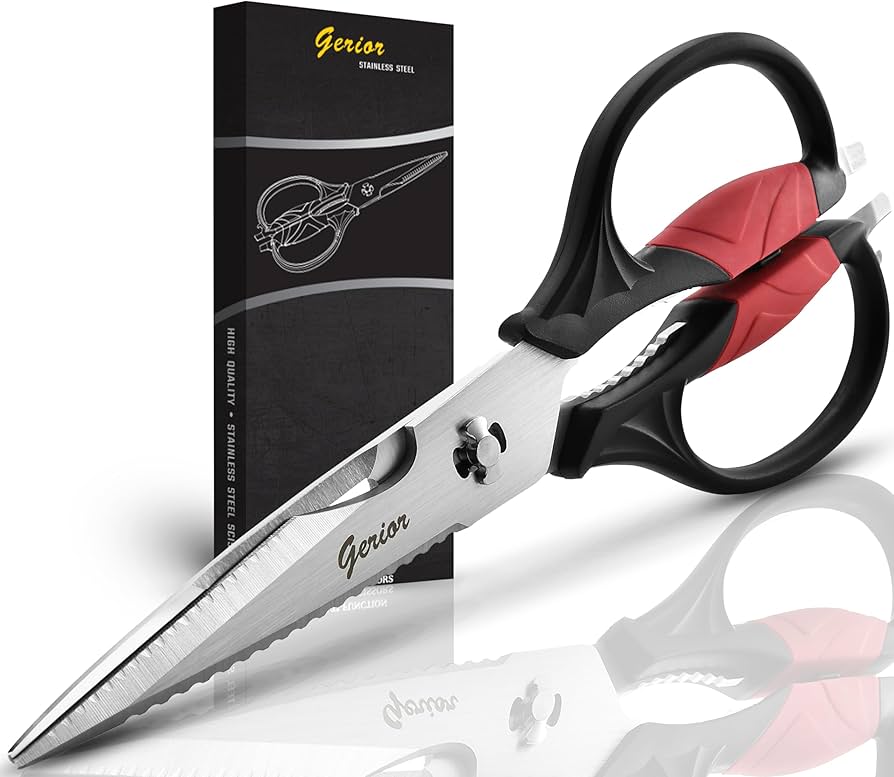
These are the most common and versatile kitchen shears. They typically feature strong, sharp stainless steel blades, often with one blade micro-serrated to grip slippery foods better. Multi-purpose kitchen shears are designed for a broad range of tasks, from snipping delicate herbs to cutting through thick packaging. Many come with a “take-apart” design, allowing the blades to separate for thorough cleaning – a crucial feature for hygiene.
Specialized Shears: Tailored for Specific Tasks
While multi-purpose shears are great all-rounders, some culinary challenges call for specialized tools.
- Poultry Shears: These are heavy-duty kitchen shears built to make quick work of breaking down chicken, turkey, or duck. They often feature curved, robust blades and a spring-loaded handle mechanism that provides extra leverage and reduces hand fatigue. A bone-notch near the pivot helps to grip and cut through tougher bones with ease.
- Herb Shears: Designed specifically for herbs, these often have multiple parallel blades to snip herbs quickly and finely. Some even include an integrated herb-stripper built into the handle, making quick work of separating leaves from stems.
- Seafood Shears: With sharp, pointed blades, these are perfect for peeling and deveining shrimp or cracking crab and lobster shells with precision, minimizing mess and effort.
|
Our Picks for the Best Kitchen Shears in 2026
As an Amazon Associate I earn from qualifying purchases.
|
||
| Num | Product | Action |
|---|---|---|
| 1 | Kitchen Scissors all Purpose, Stainless Steel Kitchen Shears, Meat Scissors Heavy Duty Sharp Shears, Kitchens Accessories Cooking Shear for Meat Chicken Fish Poultry Herb Bread |

|
| 2 | OXO Good Grips Multi-Purpose Kitchen and Herbs Scissors |
|
| 3 | Hammer Stahl Kitchen Shears |
|
| 4 | HENCKELS Kitchen Shears, Made in Japan, Kitchen Scissors |
|
| 5 | iBayam Kitchen Scissors All Purpose Heavy Duty, Kitchen Utensils Set, Stainless Steel Cooking Utensils Gadgets, Meat Poultry Food Shears Dishwasher Safe Utility Tools Home Gift, with Protective Sheath |
|
| 6 | Kitchen Shears by Gidli - Liftime Replacement Warranty* - Includes Seafood Scissors As a Bonus - Heavy Duty Utility Stainless Steel All Purpose Ultra Sharp Scissors for Food/Cooking |
|
| 7 | HUUSK Kitchen Scissors All Purpose - Stainless Steel Kitchen Shear, Sharp Silver Meat Scissors Dishwasher Safe, Heavy Duty Poultry Shears, Japanese Cooking Scissor for Food, Christmas Gifts for Women |
|
| 8 | Kitchen Scissors for Food Japanese - Poultry Shears, Japanese All Purpose Heavy Duty for Chicken Wing/Bone, Meat, Quail, Fish, Turkey, Vegetables, Stainless Steel Cooking Aid Scissors, Dishwasher Safe |
|
| 9 | KitchenAid All Purpose Kitchen Shears with Protective Sheath Durable Stainless Steel Scissors, Dishwasher Safe, Soft Grip Comfort Handle, 8.72 Inch, Red |
|
| 10 | KitchenAid All Purpose Kitchen Shears with Protective Sheath Durable Stainless Steel Scissors, Dishwasher Safe, Soft Grip Comfort Handle, 8.72 Inch, Black |
|
Choosing Your Perfect Pair: What to Look for in Kitchen Shears Scissors
Selecting the right pair of kitchen shears scissors can feel overwhelming with so many options available. But focusing on a few key factors will ensure you pick a pair that serves you well for years to come.
Blade Material and Sharpness
The heart of any cutting tool is its blade. High-quality kitchen shears typically feature blades made from:
- Stainless Steel: The most popular choice due to its excellent corrosion resistance and ease of maintenance. Look for high-grade stainless steel for superior durability and sharpness retention.
- High-Carbon Steel: While less common, some premium shears use high-carbon steel, known for holding an incredibly sharp edge. However, these require more diligent care to prevent rust.
Beyond material, consider the blade design. Many effective kitchen shears boast one micro-serrated blade that grips slippery foods like raw chicken skin, preventing them from sliding while you cut. The other blade is usually straight, providing a clean, precise cut. Blade length also matters; shorter blades (around 3-5 inches) offer greater control for delicate tasks, while longer blades provide more leverage for tougher materials.
Ergonomics and Handle Design
You’ll be holding these, so comfort is king! Ergonomic handles are vital for safe and efficient use, significantly reducing hand fatigue, especially during heavy-duty tasks. Look for:
- Comfortable Grip: Soft-touch materials like rubber or textured plastic provide a non-slip grip, even when your hands are wet or oily.
- Spacious Finger Loops: Handles should accommodate all your fingers comfortably, allowing you to use your whole hand to apply force. If they’re too small, they’ll limit your control and make cutting more difficult.
- Contoured Design: Handles that fit the natural curve of your hand enhance control and comfort.
Construction and Durability
A well-constructed pair of kitchen shears scissors will feel solid and balanced in your hand. Look for:
- Robust Build: Minimal crevices where food can accumulate are a plus for hygiene.
- Smooth Action: The shears should open and close smoothly with little effort, without feeling loose or too stiff.
- Come-Apart Design: This feature is a game-changer for cleaning, allowing you to separate the blades to thoroughly wash all surfaces and the pivot area, which is crucial after handling raw meats.
Versatility and Added Features
Many modern kitchen shears go beyond simple cutting, offering a suite of additional functionalities. These multi-purpose tools can include:
- Bottle Openers: A common and handy feature.
- Nutcrackers/Jar Openers: Integrated teeth in the handle or pivot area.
- Lid Lifters/Screwdrivers: Small protrusions designed for these tasks.
These extra features can turn your kitchen shears into a true “Swiss Army knife” for your kitchen, saving you space and hassle.
Master Your Kitchen: Safe and Effective Use of Kitchen Shears Scissors
Once you have your perfect pair of kitchen shears scissors, it’s time to put them to work. Their versatility makes them invaluable for a wide array of tasks, often proving more efficient and safer than a knife.
Poultry Prep Made Easy
This is where kitchen shears truly shine. Breaking down a whole chicken, a task many find daunting with a knife, becomes a breeze:
- Spatchcocking: Easily snip through the backbone of a chicken or turkey to flatten it for faster, more even cooking. The powerful blades cut through bone and cartilage with surprising ease.
- Trimming Fat and Skin: Precisely trim excess fat or skin from poultry without tearing the meat.
- Segmenting: Separate chicken wings, thighs, and drumsticks by cutting through joints, offering more control than a knife.
Effortless Vegetable and Herb Preparation
Say goodbye to bruised herbs and messy cutting boards for many vegetable tasks:
- Snipping Herbs: Hold a bunch of parsley, cilantro, or chives and snip them directly over your dish, ensuring freshness and even distribution. No need for a cutting board!
- Trimming Tough Stems: Quickly remove woody asparagus ends, kale stems, or green bean tips.
- Dicing Canned Tomatoes: Open a can of whole tomatoes and snip them into desired sizes directly in the can, minimizing splatter.
Tackling Tricky Foods and Packaging
Some foods and materials are simply easier to handle with kitchen shears.
- Slippery Meats: Cut bacon strips, prosciutto, or other cured meats into bite-sized pieces without them sliding around on a cutting board.
- Dried Fruits: The sticky and chewy nature of dried fruits like apricots or dates makes them a challenge for knives, but shears cut through them cleanly.
- Opening Stubborn Packaging: From vacuum-sealed bags to plastic clamshells, kitchen shears slice through tough food packaging effortlessly, saving your teeth and temper.
As Emily Davies, a seasoned kitchen tool expert, often says, “Kitchen shears are not just an alternative to your knife; they’re an enhancement. For many tasks, they offer a level of control and safety that simply can’t be matched, making complex prep feel effortless.”
Longevity in Your Kitchen: Care and Maintenance for Kitchen Shears Scissors
To ensure your kitchen shears scissors remain a sharp, reliable companion for years, proper care and maintenance are non-negotiable. Neglecting them can lead to dull blades, rust, and even compromise food safety.
The Golden Rule: Clean Immediately
- Hand Washing is Best: Even if labeled dishwasher-safe, hand washing preserves the sharpness and integrity of your shears longer. Immediately after each use, wash your kitchen shears with warm, soapy water.
- Disassemble for Thoroughness: If your shears come apart, separate the blades. This allows you to meticulously clean all surfaces, especially around the pivot joint where food particles and bacteria can hide.
- Rinse and Dry Thoroughly: Rinse all soap residue under clean running water. The most critical step is to dry them immediately and completely with a clean towel. Leaving them wet, even for a short period, can lead to rust or oxidation, especially in the pivot area.
- Sanitize After Raw Meat: After handling raw poultry or meat, it’s wise to sanitize your kitchen shears. A diluted bleach solution (e.g., 2 teaspoons of bleach per gallon of water) can be used for a brief soak (about 2 minutes), followed by complete drying.
Keeping Them Sharp: Sharpening Techniques
A sharp blade is a safe blade. While kitchen shears hold their edge well, they will eventually need sharpening.
- Sharpening Stone: You can sharpen kitchen shears using a sharpening stone. Lay the inside surface of each blade flat on the fine side of a sharpening stone (e.g., 1000-grit) and draw it across the stone from base to tip, maintaining a consistent angle. Repeat on the coarse side (400-grit) if the blade is very dull. Be gentle and consistent.
- Professional Sharpening: For best results, especially with specialized serrated blades or if you’re unsure, consider professional sharpening services.
Protecting Your Investment: Oiling and Storage
- Lubrication: A small drop of food-safe mineral oil applied to the pivot point after cleaning and drying will keep the blades moving smoothly and prevent rust, extending the life of your kitchen shears.
- Proper Storage: Never just toss your kitchen shears into a cluttered drawer where blades can get damaged or dull by clanking against other utensils.
- Protective Sheath/Case: Many shears come with a sheath; always use it for safe storage.
- Knife Block/Magnetic Strip: Store them in a dedicated slot in a knife block or on a magnetic strip for easy access and blade protection.
- Dedicated Drawer: If using a drawer, ensure they are separated from other metal items to prevent scratches and dulling.
Kitchen Shears vs. Knives: The Advantage of Specialized Tools
It’s not about choosing one over the other, but understanding how kitchen shears scissors complement knives. While a chef’s knife is a foundational tool, there are specific scenarios where kitchen shears offer distinct advantages:
- Enhanced Safety: For tricky tasks like spatchcocking a chicken or cutting slippery ingredients, shears provide a more secure grip and controlled cut, reducing the risk of accidental slips that can happen with a knife.
- Precision: Snipping herbs directly into a pot or garnishing a dish requires a level of precision that shears can deliver effortlessly, avoiding the need for a cutting board and extra cleanup.
- Efficiency: From opening packaging to quickly breaking down vegetables, shears often speed up prep time by eliminating the need for a cutting board or multiple utensil changes.
- Versatility: The multi-functional aspects of many kitchen shears, featuring bottle openers or nutcrackers, mean one tool can replace several, saving space and effort.
Think of it this way: your chef’s knife is your primary instrument for broad strokes and heavy chopping, while kitchen shears are your precision tool for intricate cuts and tasks where stability and speed are paramount. Together, they create a formidable culinary team.
Innovative Applications: Beyond Basic Cutting
While their primary role is in food preparation, the robust design of kitchen shears scissors allows for many creative and unexpected uses, both inside and outside the kitchen.
- Perfect Pizza Slices: Forget the pizza wheel that drags cheese and toppings. Kitchen shears cut through hot pizza and even cheesy quesadillas with clean, effortless precision.
- Shrimp Made Easy: Use them to quickly peel and devein shrimp, snipping through the shell along the back.
- Flawless Pie Crusts: Trim the excess dough from pie crusts neatly and efficiently, avoiding the sticky mess often created by a knife.
- Floral Arrangements: Beyond food, kitchen shears are excellent for trimming flower stems, de-thorning roses, or cutting twine for culinary or craft projects.
- Around the House: Many heavy-duty kitchen shears can tackle tasks like opening tough plastic packaging, cutting cardboard, or even serving as a makeshift flathead screwdriver in a pinch, thanks to integrated features.
These creative uses highlight why kitchen shears scissors are often considered the “ultimate utility tool” in the home.
Frequently Asked Questions About Kitchen Shears Scissors
Here are some common questions people ask about kitchen shears to help you make the most of this versatile tool:
Q: What’s the main difference between kitchen shears and regular scissors?
A: Kitchen shears are specifically designed for demanding kitchen tasks. They are typically more robust, with thicker, sharper blades (often one serrated), and stronger pivot points. They can cut through tougher materials like bones, meat, and dense packaging, unlike regular household scissors which are meant for paper and lighter materials.
Q: Can I put my kitchen shears in the dishwasher?
A: While some manufacturers claim their kitchen shears are dishwasher-safe, it is generally not recommended. The high heat, harsh detergents, and prolonged moisture in a dishwasher can dull blades, damage handles, and accelerate rust or corrosion, especially in the pivot area. Hand washing immediately after use is always the best practice.
Q: How often should I sharpen my kitchen shears?
A: The frequency depends on how often you use them and what you’re cutting. For regular use, checking the sharpness every few months and sharpening as needed is a good guideline. If you notice them tearing instead of cleanly cutting, it’s time for a sharpen.
Q: Are kitchen shears safe to cut through bone?
A: Yes, many heavy-duty and poultry kitchen shears are specifically designed to cut through small bones, cartilage, and even the backbone of a chicken or turkey. Look for models with a bone notch and a strong, ergonomic design for this purpose. Always use appropriate force and caution.
Q: What are the benefits of come-apart kitchen shears?
A: Come-apart kitchen shears offer significant benefits for hygiene and maintenance. By separating the blades, you can thoroughly clean all surfaces, including the critical pivot joint, preventing food residue and bacteria buildup. They also dry more quickly and can be easier to sharpen individually.
The Kitchen Shears Revolution: A Cut Above
In a world where kitchen efficiency and safety are paramount, kitchen shears scissors stand out as an indispensable tool. From their humble beginnings to their current status as multi-functional powerhouses, they have continually proven their worth. They offer a unique blend of precision, power, and versatility that knives alone cannot always provide. By understanding their types, knowing how to choose the right pair, and committing to proper care, you unlock a new level of culinary mastery. Embrace the kitchen shears revolution, and experience the joy of effortless, precise, and safe food preparation. Your kitchen, and your cooking, will thank you for it.