Every bustling kitchen has its workhorses: the trusty chef’s knife, the sturdy cutting board, and perhaps a well-loved spatula. But there’s one indispensable tool that often sits quietly, yet stands ready to tackle a remarkable array of tasks with unmatched efficiency and precision: metal kitchen shears. More than just a pair of fancy scissors, these robust culinary instruments are engineered to make your life in the kitchen simpler, safer, and undeniably more creative. They’re built for durability and performance, transforming everyday meal prep from a chore into a seamless experience.
The Evolution of Precision: A Brief Look at Kitchen Shears History
While the concept of cutting tools dates back millennia, the specialized kitchen shear, as we know it today, is a more recent innovation. For centuries, general-purpose scissors handled basic kitchen tasks, but as culinary practices evolved and the need for more specialized tools grew, kitchen shears emerged. The shift towards all-metal construction, particularly with high-quality stainless steel, was a game-changer. This material provided the necessary strength for tougher cutting jobs, resistance to rust, and improved hygiene, allowing for thorough cleaning. This evolution transformed them from simple cutting instruments into the multifaceted culinary powerhouses we rely on today, designed to handle everything from delicate herbs to stubborn poultry bones.
Beyond the Cut: Types and Multifunctional Uses of Metal Kitchen Shears
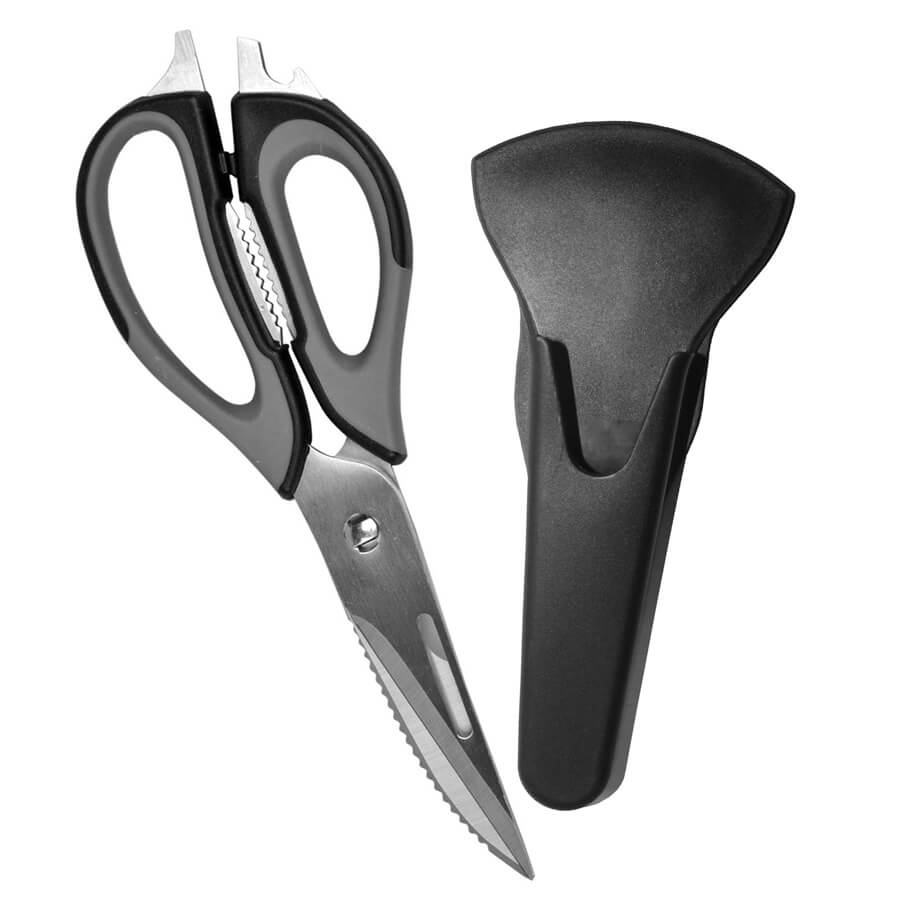
Metal kitchen shears are far more than just glorified scissors; they are versatile multi-taskers, each type often optimized for specific culinary challenges, though many excel as all-purpose tools.
- General Utility Shears: These are your everyday heroes, designed to handle a broad spectrum of tasks from snipping herbs to opening packages. They strike a balance between strength and maneuverability.
- Poultry Shears: Often featuring a heavy-duty, spring-loaded design and a bone-notch, these are built for breaking down whole chickens, turkeys, or ducks with minimal effort, making tasks like spatchcocking a breeze.
- Herb Shears: With finer, often multiple, blades, these are perfect for quickly mincing herbs directly into a dish without bruising delicate leaves.
- Fish Shears: Equipped with sharp blades and sometimes a specialized serration or descaling tool, they streamline the process of cleaning and preparing fish.
- Shellfish Shears: Designed to crack through tough crab and lobster shells without damaging the delicate meat inside.
|
Our Picks for the Best Kitchen Shears in 2026
As an Amazon Associate I earn from qualifying purchases.
|
||
| Num | Product | Action |
|---|---|---|
| 1 | HUUSK Kitchen Scissors All Purpose - Stainless Steel Kitchen Shear, Sharp Silver Meat Scissors Dishwasher Safe, Heavy Duty Poultry Shears, Japanese Cooking Scissor for Food, Christmas Gifts for Women |

|
| 2 | Kitchen Scissors all Purpose, Stainless Steel Kitchen Shears, Meat Scissors Heavy Duty Sharp Shears, Kitchens Accessories Cooking Shear for Meat Chicken Fish Poultry Herb Bread |
|
| 3 | KitchenAid All Purpose Kitchen Shears with Protective Sheath Durable Stainless Steel Scissors, Dishwasher Safe, Soft Grip Comfort Handle, 8.72 Inch, Black |
|
| 4 | Hammer Stahl Kitchen Shears |
|
| 5 | KitchenAid All Purpose Kitchen Shears with Protective Sheath Durable Stainless Steel Scissors, Dishwasher Safe, Soft Grip Comfort Handle, 8.72 Inch, Red |
|
| 6 | OXO Good Grips Multi-Purpose Kitchen and Herbs Scissors |
|
| 7 | iBayam Kitchen Scissors All Purpose Heavy Duty, Kitchen Utensils Set, Stainless Steel Cooking Utensils Gadgets, Meat Poultry Food Shears Dishwasher Safe Utility Tools Home Gift, with Protective Sheath |
|
| 8 | HENCKELS Kitchen Shears, Made in Japan, Kitchen Scissors |
|
| 9 | Kitchen Scissors for Food Japanese - Poultry Shears, Japanese All Purpose Heavy Duty for Chicken Wing/Bone, Meat, Quail, Fish, Turkey, Vegetables, Stainless Steel Cooking Aid Scissors, Dishwasher Safe |
|
| 10 | Kitchen Shears by Gidli - Liftime Replacement Warranty* - Includes Seafood Scissors As a Bonus - Heavy Duty Utility Stainless Steel All Purpose Ultra Sharp Scissors for Food/Cooking |
|
The true magic of metal kitchen shears lies in their incredible versatility. Here’s a glimpse at their endless applications:
- Poultry Preparation: Effortlessly cut through chicken joints, remove backbones for spatchcocking, trim excess fat and skin, or even portion raw meat directly.
- Herb and Vegetable Prep: Snip fresh herbs like parsley, cilantro, or chives directly over your plate, quickly cut lettuce and spinach for salads, trim green beans, or even section florets from broccoli and cauliflower.
- Opening Packages: From stubborn plastic clamshells to vacuum-sealed bags and cereal boxes, shears make quick work of packaging that knives struggle with.
- Cracking Nuts and Shellfish: Many shears feature a built-in nutcracker or sturdy grippers between the handles, perfect for cracking walnuts, pecans, or the shells of crab legs.
- Bottle and Jar Openers: Integrated features on the handles often include a bottle opener and lid lifter, providing extra leverage for stubborn jars.
- Slicing Cooked Foods: Cut pizza slices without dragging cheese, snip quesadillas, or cut bacon into lardons directly into a hot pan.
- Baking and Pastry: Precisely trim pie dough edges or cut parchment paper to fit baking pans.
- Fish Descaling and Deveining: Many models come with serrated edges perfect for descaling fish or a pointed tip for deveining shrimp cleanly.
- Beyond the Kitchen: Some durable models can even double as a quick screwdriver for loose cabinet hinges or for various small household tasks.
“Metal kitchen shears are the ultimate multi-tool for any home cook,” says Clara Jensen, a seasoned culinary tools expert. “Their ability to perform so many tasks, from heavy-duty cutting to delicate snipping, truly sets them apart as an indispensable item.”
Choosing Your Culinary Companion: A Guide to Selecting the Right Metal Kitchen Shears
With so many options available, choosing the perfect pair of metal kitchen shears might seem daunting. However, focusing on a few key factors will help you find a pair that suits your needs and lasts for years.
Material Matters: The Heart of the Shears
The quality of the metal blades is paramount. Look for shears made from high-quality stainless steel, often specified as Japanese or German steel. This ensures exceptional sharpness, long-lasting edge retention, and crucial resistance to rust and corrosion, which is vital in a damp kitchen environment. Cheaper alloys might dull quickly or corrode, diminishing both performance and hygiene.
Blade Design: Serrated, Smooth, and Sharp
Consider the blade design carefully. Many top-tier shears feature one serrated blade and one smooth blade. The serrated edge is a game-changer for gripping slippery items like raw chicken skin, preventing them from sliding while you cut. The smooth blade provides a clean, precise cut. Micro-serrations can also enhance grip without being overly aggressive. Additionally, look for pointed tips for intricate tasks and piercing tough materials.
Ergonomics and Comfort: A Grip You Can Trust
A comfortable, secure grip is essential for both safety and effectiveness. Ergonomically designed handles made from materials like soft-grip rubber, EVA plastic, or reinforced polypropylene offer comfort and prevent hand fatigue during extended use. Ensure the handles are large enough to accommodate your hand size, even with gloves, and offer a non-slip surface, especially when wet. Some shears are designed specifically for left-handed users or are ambidextrous.
Construction: Durability from Hinge to Tip
Take-apart construction is a highly sought-after feature. Shears that can be easily separated allow for thorough cleaning, especially crucial after cutting raw meats, eliminating hidden food particles and preventing bacterial growth or rust in the hinge. This also makes sharpening both blades individually much simpler. Full-tang construction, where the metal of the blade extends fully into the handles, indicates greater durability and balance.
Additional Features: Added Value
Many metal kitchen shears come with bonus features that enhance their utility. These can include:
- Integrated bottle openers
- Jar lid lifters
- Nutcrackers
- Fish descalers
- Herb strippers
- Even a flathead screwdriver tip for quick fixes around the house.
While not all are essential, these extras can make your shears an even more valuable multi-tool in your kitchen.
Mastering the Snip: Safe and Effective Use of Metal Kitchen Shears
Using metal kitchen shears effectively comes down to proper technique and a few safety considerations. They are designed for precision and power, but like any sharp tool, respect is key.
Proper Grip and Posture
Hold your shears firmly but comfortably. The ergonomic handles are designed to fit your hand naturally, so avoid awkward grips that can lead to strain or slippage. Keep your wrist straight and use your whole hand to squeeze, rather than just your fingers, for better control and leverage.
Techniques for Different Foods
- Poultry: For breaking down chicken, locate the joints and cartilage. The shears are excellent for cutting through these areas with a single, strong squeeze, often superior to a knife. For spatchcocking, use the serrated blade to grip the backbone firmly as you cut.
- Herbs and Vegetables: For delicate herbs, hold the bunch firmly and snip directly over your dish or cutting board. For tougher vegetables like green beans, use a straight cutting motion.
- Packaging: Position the shears to get a good initial cut, then slice smoothly. The sharp blades will easily glide through most materials.
Safety Tips
- Always Be Aware of the Blades: These are sharp tools. Always pay attention to where the blades are, especially when opening or closing them.
- Keep Fingers Clear: Ensure your fingers are well away from the cutting path, particularly when applying force for tough cuts.
- Use a Stable Surface: Whenever possible, use shears over a cutting board or a stable surface to prevent slips.
- Never Force It: If the shears aren’t cutting easily, don’t force them. Re-position the food or consider if you’re using the right tool for the job. Attempting to force a cut can lead to injury or damage the shears.
Longevity in Every Slice: Care and Maintenance for Your Metal Kitchen Shears
To ensure your metal kitchen shears remain a sharp, reliable companion for years, proper care is non-negotiable. A little attention goes a long way in preserving their performance and preventing rust.
Cleaning: The Foundation of Durability
After each use, especially after handling raw meat, clean your shears thoroughly.
- Hand Washing is Best: Even if labeled “dishwasher safe,” hand washing with warm, soapy water is almost always recommended for metal kitchen shears. The harsh detergents and high heat of a dishwasher can dull blades, erode finishes, and lead to corrosion or rust, particularly around the pivot point.
- Disassemble for Deep Clean: If your shears come apart, separate the blades. This allows you to meticulously clean every crevice, removing food particles and preventing bacterial buildup and rust in the hinge mechanism.
Drying: The Rust Prevention Rule
This step is critical. Always dry your metal kitchen shears immediately and completely after washing. Leaving them to air dry, even for a short period, can lead to water spots and, more importantly, rust, especially on stainless steel that isn’t completely rust-proof. Use a clean, dry cloth to wipe down all surfaces.
Storage: Protecting the Edge
Store your clean, dry shears properly.
- Blade Covers/Sheaths: Many quality shears come with a protective blade cover or sheath. Use it to protect the blades from dulling against other utensils and to prevent accidental cuts when reaching into a drawer.
- Magnetic Strips: A magnetic knife strip is an excellent way to store shears, keeping them visible, accessible, and safely separated from other tools.
- Dry Place: Regardless of storage method, ensure they are kept in a dry environment.
Sharpening: Restoring the Edge
Over time, even the best metal blades will lose some of their sharpness.
- When to Sharpen: If you notice your shears tearing or crushing food instead of cleanly cutting, it’s time for a sharpen.
- How to Sharpen: For take-apart shears, you can sharpen each blade individually with a whetstone or a dedicated knife sharpener, much like a regular knife. For non-take-apart models or more complex blade designs (like micro-serrated), it’s often best to seek professional sharpening services to maintain their specific edge.
The Edge Over Knives: Why Metal Kitchen Shears Often Reign Supreme
While a good knife set is indispensable, metal kitchen shears offer distinct advantages that make them the superior choice for many tasks, often outperforming even the sharpest blades.
- Unmatched Precision and Control: For delicate tasks like snipping herbs or trimming pastry, shears offer more control than a knife, allowing for finer, more accurate cuts without bruising or tearing. “I often grab my shears when I need meticulous detail,” Clara Jensen notes, “they give you a level of surgical precision that’s hard to achieve with a chef’s knife.”
- Enhanced Safety: Using shears often feels safer than wielding a knife, especially when working with slippery or awkwardly shaped foods. Your hand is typically further from the cutting edge, and the scissor action reduces the risk of accidental slips that can happen with a knife on a cutting board.
- Efficiency in Action: Imagine cutting hot food in a pan—try that with a knife and cutting board! Shears allow you to quickly snip ingredients directly into a pot, pan, or bowl, reducing extra dishes and speeding up prep.
- Tackling Slippery Foods: The robust blades, especially those with serrations, provide a superior grip on challenging items like raw poultry skin, fish, or tough greens, ensuring a clean cut rather than a slide. This is particularly noticeable when breaking down poultry, where shears can cut through bone and cartilage with surprising ease, a task that can be cumbersome and less safe with a knife.
- Multifunctionality: The integrated features like bottle openers, nutcrackers, and lid lifters mean one tool can do the job of several, decluttering your drawers and making life easier.
Beyond the Obvious: Creative and Lesser-Known Applications
You might think you know all the tricks your metal kitchen shears can do, but these ingenious tools often surprise us with their extended capabilities. Beyond everyday meal prep, their robust design and sharp blades lend themselves to a host of creative and practical uses:
- Crafting in the Kitchen: Need to cut twine for trussing a roast? Or perhaps trim baking paper into a specific shape for a cake pan? Shears handle these tasks with ease. They’re also great for cutting reusable cloth wipes or creating decorative edges on pastry.
- Opening Stubborn Packaging (Non-Food): Not just for food, your metal kitchen shears are excellent for tackling those notoriously difficult-to-open plastic toy packages, thick cardboard, or even stubborn blister packs from new gadgets.
- Light Gardening Tasks: While not a replacement for garden shears, in a pinch, kitchen shears can trim delicate herbs directly from the plant, snip small flower stems for a vase, or prune small errant branches from indoor plants. Just be sure to clean them thoroughly before bringing them back to food duty!
- First Aid in a Pinch: Need to cut gauze or bandages to size? Cleaned kitchen shears can provide a precise cut in an emergency.
FAQs About Metal Kitchen Shears
Q: What makes metal kitchen shears different from regular scissors?
A: Metal kitchen shears are typically more robust, with thicker, sharper stainless steel blades designed for food contact and tougher materials. They often feature ergonomic handles, take-apart construction for easy cleaning, and additional functions like bottle openers or nutcrackers, which regular scissors lack.
Q: Can I sharpen my metal kitchen shears at home?
A: Yes, if your metal kitchen shears can be taken apart, you can sharpen each blade individually using a whetstone or a knife sharpener, much like you would a regular knife. For non-take-apart models or those with unique blade designs (like micro-serrations), professional sharpening is often recommended.
Q: Are all metal kitchen shears dishwasher safe?
A: While some manufacturers label their metal kitchen shears as dishwasher safe, it’s generally recommended to hand wash them with warm, soapy water and dry them immediately. Dishwashers’ harsh detergents and high heat can dull blades, damage finishes, and lead to rust, especially around the pivot point.
Q: What’s the best way to clean kitchen shears after cutting raw meat?
A: For maximum hygiene, choose shears with a take-apart design. Separate the blades and wash each piece thoroughly with hot, soapy water, ensuring all meat residue is removed from the blades and the hinge area. Rinse well and dry immediately and completely before reassembling and storing.
Q: Can metal kitchen shears cut through small bones?
A: Yes, high-quality metal kitchen shears, especially heavy-duty poultry shears, are specifically designed to cut through small bones and cartilage, such as those found in chicken or fish. Their strong blades and leverage make this task much easier and safer than using a knife.
Q: How do I know if my kitchen shears are good quality?
A: Look for shears made from high-grade stainless steel, often indicated by terms like “German steel” or “Japanese steel.” Key indicators include a comfortable, non-slip grip, blades that meet precisely, a take-apart design for easy cleaning, and a general feeling of solidity and balance in your hand.
Conclusion
Metal kitchen shears are undoubtedly one of the most underrated tools in the culinary world. Their blend of robust construction, ergonomic design, and unparalleled versatility makes them an invaluable asset for any home cook or professional chef. From the delicate snipping of fresh herbs to the heavy-duty task of breaking down a whole chicken, these shears consistently prove their worth, streamlining your cooking process and enhancing your culinary confidence. If you haven’t yet embraced the power of a high-quality pair of metal kitchen shears, now is the time to welcome this unsung hero into your kitchen. Experience the difference a dedicated, well-made tool can make—you’ll wonder how you ever cooked without them.