Ever wonder what makes your kitchen shears snip through tough poultry bones one minute and delicate herbs the next? It all comes down to the material kitchen shears are crafted from. Far from being just fancy scissors, these culinary workhorses are purpose-built tools, and their effectiveness, durability, and even how you care for them hinge on the materials chosen for their blades and handles. Understanding these fundamental components is key to selecting the perfect pair that will serve you well for years, making your kitchen tasks easier and more enjoyable.
A Cut Above: The Evolution of Kitchen Shears
For centuries, basic shears have been essential tools, but the specialized kitchen shear, as we know it today, has evolved significantly. Early versions might have been simple iron or steel, prone to rust and requiring constant sharpening. Modern advancements in metallurgy and ergonomic design have revolutionized these tools, allowing for specific material kitchen shears that excel in the demanding culinary environment. Today’s options offer a balance of sharpness, resilience, and user comfort that would have been unimaginable to our ancestors.
The Heart of the Matter: Blade Materials
The blades are, without a doubt, the most critical component of any kitchen shears. Their material dictates their cutting power, how long they stay sharp, and their resistance to the harsh realities of kitchen life – moisture, acids, and constant use.
Stainless Steel: The Everyday Champion
Stainless steel stands out as the most popular and versatile material for kitchen shear blades, and for good reason. It offers an excellent balance of durability, corrosion resistance, and ease of maintenance. The presence of chromium in stainless steel creates a protective oxide layer on the surface, which is crucial for preventing rust and stains, especially when shears are frequently exposed to water and acidic foods.
Many high-quality kitchen shears feature food-grade stainless steel, sometimes specifically German or Japanese stainless steel (like 420J2 Japanese stainless steel), known for its exceptional resistance to wear. Stainless steel blades are relatively easy to clean and often dishwasher-safe, a significant advantage for busy home cooks. You’ll often find stainless steel blades with micro-serrations, tiny grooves that help grip slippery items like chicken skin or fish, preventing them from sliding during cutting.
Carbon Steel: The Professional’s Edge
For those who prioritize ultimate sharpness and are meticulous about tool care, carbon steel blades offer an unparalleled cutting edge. Known for its exceptional sharpness, carbon steel can be honed to a finer, more precise edge than stainless steel, and it tends to hold that sharpness for longer periods. This makes carbon steel a favorite among professional chefs who demand absolute precision.
However, this superior sharpness comes with a trade-off: carbon steel is more susceptible to rust and corrosion. It requires diligent maintenance, including immediate hand washing and thorough drying after every use, to prevent tarnishing and maintain its integrity.
Titanium-Coated Steel: Enhanced Durability
Titanium-coated steel combines the best of both worlds by starting with a stainless steel base and adding a titanium coating. This layer provides enhanced durability and increased resistance to corrosion, often making the blades even tougher and more resistant to wear. While typically more expensive, titanium-coated shears can offer a longer lifespan and added peace of mind for heavy-duty tasks.
|
Our Picks for the Best Kitchen Shears in 2026
As an Amazon Associate I earn from qualifying purchases.
|
||
| Num | Product | Action |
|---|---|---|
| 1 | Kitchen Shears by Gidli - Liftime Replacement Warranty* - Includes Seafood Scissors As a Bonus - Heavy Duty Utility Stainless Steel All Purpose Ultra Sharp Scissors for Food/Cooking |

|
| 2 | iBayam Kitchen Scissors All Purpose Heavy Duty, Kitchen Utensils Set, Stainless Steel Cooking Utensils Gadgets, Meat Poultry Food Shears Dishwasher Safe Utility Tools Home Gift, with Protective Sheath |
|
| 3 | KitchenAid All Purpose Kitchen Shears with Protective Sheath Durable Stainless Steel Scissors, Dishwasher Safe, Soft Grip Comfort Handle, 8.72 Inch, Black |
|
| 4 | KitchenAid All Purpose Kitchen Shears with Protective Sheath Durable Stainless Steel Scissors, Dishwasher Safe, Soft Grip Comfort Handle, 8.72 Inch, Red |
|
| 5 | HUUSK Kitchen Scissors All Purpose - Stainless Steel Kitchen Shear, Sharp Silver Meat Scissors Dishwasher Safe, Heavy Duty Poultry Shears, Japanese Cooking Scissor for Food, Christmas Gifts for Women |
|
| 6 | Kitchen Scissors all Purpose, Stainless Steel Kitchen Shears, Meat Scissors Heavy Duty Sharp Shears, Kitchens Accessories Cooking Shear for Meat Chicken Fish Poultry Herb Bread |
|
| 7 | Kitchen Scissors for Food Japanese - Poultry Shears, Japanese All Purpose Heavy Duty for Chicken Wing/Bone, Meat, Quail, Fish, Turkey, Vegetables, Stainless Steel Cooking Aid Scissors, Dishwasher Safe |
|
| 8 | HENCKELS Kitchen Shears, Made in Japan, Kitchen Scissors |
|
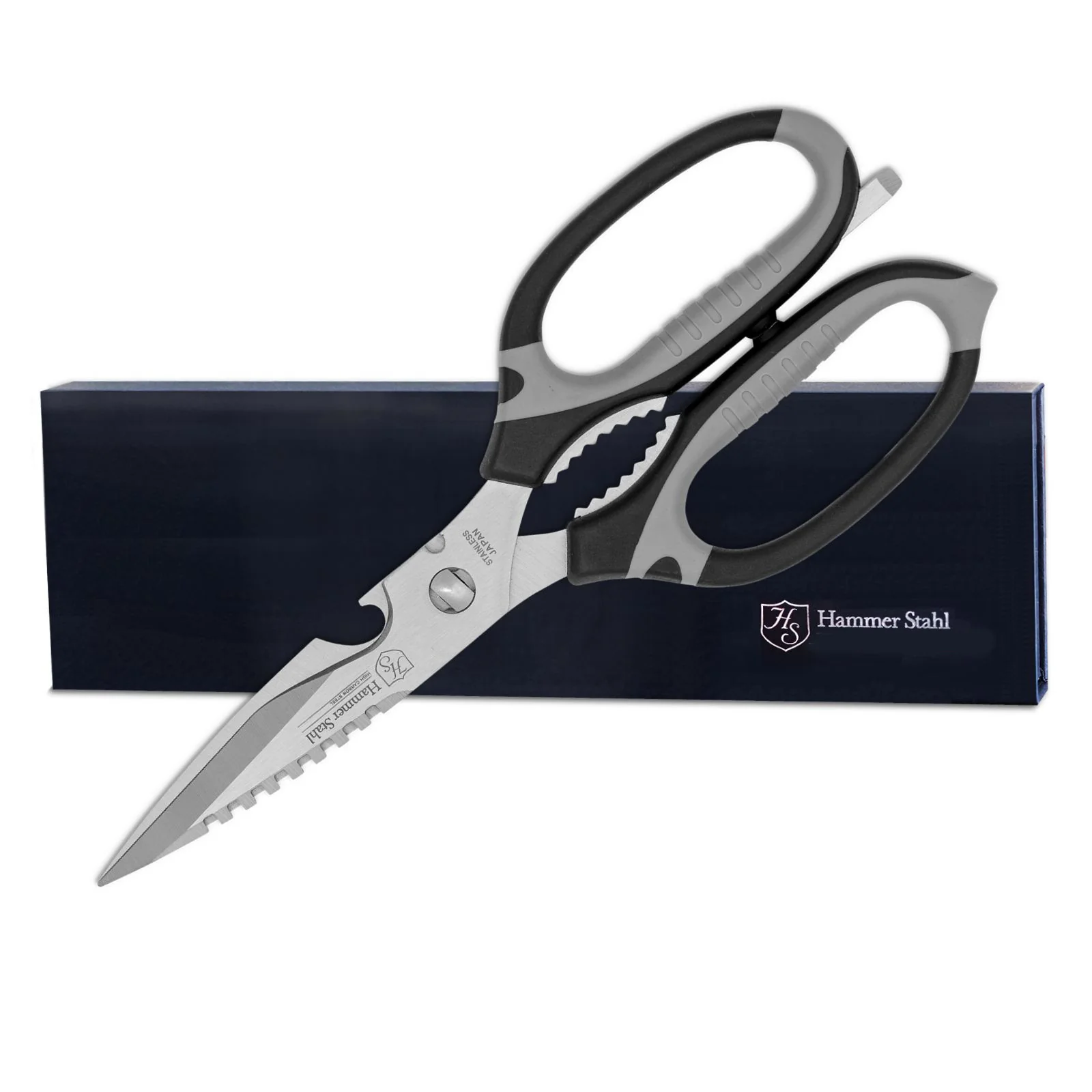
| 9 | Hammer Stahl Kitchen Shears |
|
| 10 | OXO Good Grips Multi-Purpose Kitchen and Herbs Scissors |
|
Beyond the Blade: Handle Materials
While the blades do the cutting, the handles ensure comfort, control, and safety. The material kitchen shears use for their handles significantly impacts the overall user experience.
Plastic and Nylon: Lightweight Comfort
Most kitchen shears feature handles made from durable plastics, such as ABS plastic, or nylon. These materials are lightweight and can be ergonomically molded to fit the hand comfortably, reducing fatigue during prolonged use. They are resistant to moisture, easy to clean, and often designed with textures or contours to provide a secure, non-slip grip.
Rubber and Silicone: The Grip Masters
Many plastic handles are enhanced with rubber or silicone inserts or coatings. This addition provides superior cushioning for the fingers and vastly improves grip, especially when your hands are wet, oily, or gloved. Some designs even feature removable silicone grips, allowing for thorough cleaning and customization. This ensures better control and reduces the risk of slippage, which is paramount in a busy kitchen.
Metal Handles: Robust and Hygienic
While less common for the entire handle, some high-end or older kitchen shears feature all-metal (often stainless steel) handles. These tend to be extremely durable and can contribute to the overall longevity of the shears. They are highly hygienic and often dishwasher safe, especially if the entire unit is stainless steel. However, they may offer less cushioning than plastic or rubberized handles and might require a bit more dexterity for a comfortable grip.
Composite Materials: Blending Benefits
Some modern designs utilize composite materials for handles, combining various plastics and rubbers to achieve an optimal balance of durability, comfort, and grip. These engineered materials aim to provide the best possible ergonomic experience while maintaining robustness and ease of cleaning.
Choosing Your Perfect Pair: Factors to Consider
Selecting the right material kitchen shears for your kitchen involves balancing your cooking habits, maintenance willingness, and budget. Here’s a quick guide:
- Your Primary Tasks: For general, everyday kitchen use, stainless steel blades are often the best choice due to their versatility and low maintenance. If you frequently spatchcock poultry or cut through tougher items, a more robust material like high-carbon stainless steel or titanium-coated steel, paired with comfortable, non-slip handles, would be beneficial.
- Maintenance Commitment: If you prefer minimal upkeep, prioritize stainless steel shears, especially those that are dishwasher safe and feature detachable blades for easy, thorough cleaning. If you’re willing to hand wash and dry immediately for peak performance, carbon steel could be an option.
- Comfort and Grip: Always consider the handle material. Look for ergonomic designs with soft-touch rubber or silicone grips if you experience hand fatigue or frequently work with wet hands.
- Durability and Longevity: Investing in high-quality stainless steel or titanium-coated blades ensures a tool that will withstand the rigors of a busy kitchen for years.
Safety, Usage, and Maintenance by Material
Understanding the material kitchen shears are made from is crucial not just for selection, but also for safe and effective use, as well as proper care.
Cleaning Different Materials
For stainless steel shears, especially those that come apart, cleaning is straightforward. You can usually hand wash them with warm, soapy water or place them in the dishwasher. Always dry them thoroughly immediately after washing to prevent water spots and ensure longevity. Carbon steel shears, however, demand hand washing and immediate, meticulous drying to prevent rust. Avoid leaving them to air dry or soaking them.
Sharpening Considerations
Most stainless steel kitchen shears can be sharpened with a standard knife sharpener or by a professional. Shears with micro-serrated edges are typically designed to maintain their sharpness longer and may not require frequent sharpening, or they might require specialized sharpening. Carbon steel blades, known for their ability to hold a keen edge, will also benefit from regular sharpening to maintain their superior performance.
Rust Prevention
The best defense against rust, particularly for carbon steel, is immediate and thorough drying. Stainless steel is rust-resistant, but not entirely rust-proof, especially if exposed to harsh detergents or left wet for extended periods. Proper storage in a dry place also helps.
“The right material choice for your kitchen shears isn’t just about cutting power; it’s about investing in a tool that integrates seamlessly into your culinary rhythm, enhancing safety and making everyday cooking a pleasure,” advises Emily Davies, a seasoned Kitchen Tool Specialist.
The Benefits of the Right Material Choice
Choosing the appropriate material kitchen shears brings a host of benefits that enhance your cooking experience:
- Unmatched Durability: High-quality blade materials resist wear and tear, ensuring your shears remain a reliable tool for years.
- Superior Sharpness: The right blade material provides a consistent, sharp edge, making cuts cleaner and more efficient.
- Enhanced Hygiene: Materials like stainless steel are easy to clean and resist bacterial buildup, contributing to a safer kitchen.
- Comfort and Control: Ergonomic handle materials with effective grips reduce hand fatigue and improve control, especially during strenuous tasks.
- Task-Specific Performance: Materials can be optimized for specific jobs, from delicate herb snipping to heavy-duty bone cutting.
Creative Applications of Material-Optimized Shears
Once you have a pair of shears whose materials are suited to your needs, you’ll discover their versatility extends far beyond basic cutting.
- Stainless steel shears with micro-serrated blades are perfect for butterflying chicken, trimming pie crusts, or even cutting open stubborn food packaging with ease.
- Heavy-duty shears with robust blade and handle materials can tackle thick bacon, open jar lids (if they have built-in grippers), or snip twine for trussing roasts.
- Lightweight shears with comfortable plastic or silicone handles are ideal for snipping fresh herbs directly into a dish or neatly cutting parchment paper for baking.
Frequently Asked Questions About Kitchen Shears Materials
Q: What is the best material for kitchen shears?
A: The “best” material kitchen shears can have depends on your needs. Stainless steel is the most popular choice due to its balance of durability, rust resistance, and ease of maintenance, making it excellent for general use. Carbon steel offers superior sharpness but requires more care.
Q: Do kitchen shears rust?
A: Stainless steel shears are rust-resistant due to their chromium content, but they are not entirely rust-proof, especially if left wet or exposed to corrosive substances. Carbon steel shears are more prone to rust and require diligent care, including immediate drying after washing.
Q: How important is the handle material on kitchen shears?
A: The handle material is very important for comfort, grip, and safety. Materials like plastic, rubber, and silicone provide an ergonomic and non-slip grip, which is crucial for control and reducing hand fatigue during use, especially when hands are wet or oily.
Q: Are all stainless steel kitchen shears the same quality?
A: No, the quality of stainless steel can vary. High-quality stainless steel, such as German or Japanese stainless steel, offers better durability, sharpness retention, and corrosion resistance than lesser grades. Always look for descriptions that specify high-grade, food-safe stainless steel.
Q: Can I sharpen titanium-coated kitchen shears?
A: While titanium-coated shears offer enhanced durability, the coating itself is extremely hard. Standard sharpening methods might remove the coating. It’s often best to consult the manufacturer’s instructions or a professional sharpener for titanium-coated blades to avoid damaging them.
Conclusion
The materials used in your kitchen shears are not just technical specifications; they are the very foundation of how these tools perform in your hands. From the rust-resistant resilience of stainless steel blades to the comfortable, non-slip embrace of ergonomic handles, every material choice contributes to the efficiency, safety, and longevity of your culinary companion. By carefully considering the material kitchen shears are composed of, you empower yourself to make informed decisions that elevate your cooking experience. So, take a moment to explore the options, find the pair that speaks to your kitchen’s demands, and transform the way you prepare food. Your culinary adventures are waiting for that perfect snip!