The aroma of a perfectly roasted chicken or a succulent Thanksgiving turkey fills the air, but then comes the inevitable task: carving. For many, this is where the kitchen battlefield truly begins, often waged with a dull knife and a prayer. But what if there was a tool designed specifically to conquer poultry, transforming a daunting chore into a remarkably smooth and satisfying experience? Enter the Best Kitchen Poultry Shears, a specialized utensil that promises to revolutionize your approach to breaking down birds. These aren’t your average kitchen scissors; they are heavy-duty, meticulously engineered instruments crafted to make light work of skin, cartilage, and even small bones, ensuring cleaner cuts and less fuss.
Why Dedicated Poultry Shears? Beyond the Basic Kitchen Scissor
You might wonder, “Can’t I just use regular kitchen shears?” While standard kitchen scissors can handle lighter tasks like snipping herbs or opening packages, they often fall short when faced with the robust demands of poultry. Dedicated poultry shears boast a history rooted in the need for a more efficient and safer way to butcher and portion birds. Their evolution led to a design focused on power, precision, and durability. They are typically larger, more robust, and engineered with specific features that set them apart, making them invaluable for everything from spatchcocking a whole chicken to effortlessly carving a cooked turkey. This specialization means less strain on your hands, more control over your cuts, and ultimately, a more enjoyable cooking and dining experience.
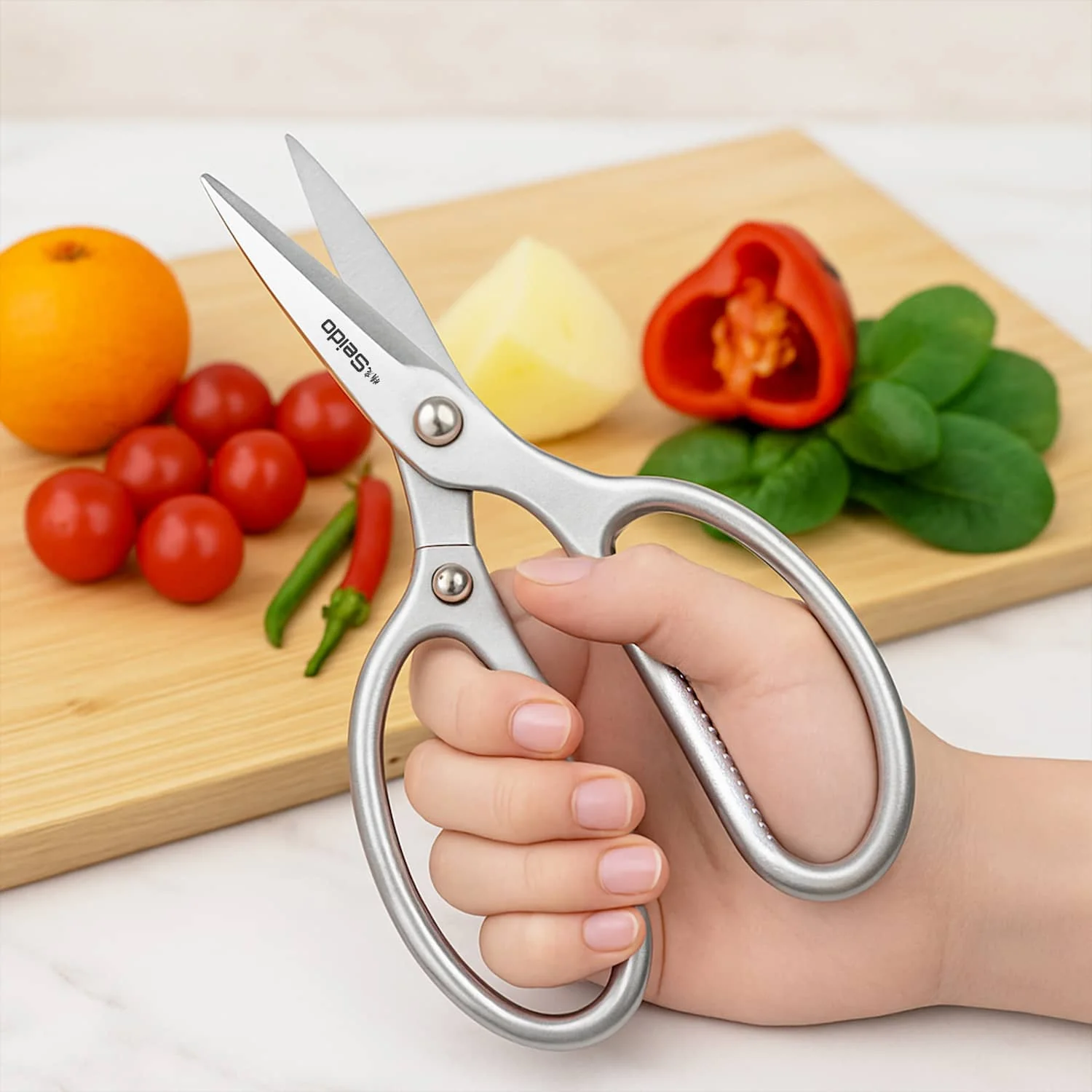
Key Features to Look for in the Best Poultry Shears
Choosing the right pair of poultry shears can feel like a quest, but understanding the essential features will guide you to a wise investment. The market is flooded with options, so knowing what truly matters will ensure you pick a tool that stands the test of time and task.
Blade Material and Design: The Sharp Edge of Performance
The heart of any great shear lies in its blades. Look for high-carbon stainless steel or similar robust alloys. These materials offer superior sharpness retention and resistance to rust and corrosion, which is crucial for hygiene and longevity. Many top-tier poultry shears feature blades that are either partially or fully serrated. This serration provides excellent grip on slippery skin and bone, preventing slippage and allowing for cleaner, more precise cuts. Some designs also include a curved blade, which can conform better to the contours of poultry, enhancing maneuverability.
Spring-Loaded Mechanism: Power and Ease
One of the most defining characteristics of the best kitchen poultry shears is a spring-loaded mechanism. This design ensures that the shears automatically open after each cut, significantly reducing hand fatigue, especially during extended use. It translates to less effort for you and more consistent cutting power. If you’ve ever struggled with shears that require manual reopening, you’ll immediately appreciate the effortless flow a spring-loaded action provides.
Handle Comfort and Grip: A Firm Hold on Control
When tackling tough tasks, a comfortable and secure grip is paramount. Ergonomic handles, often made from non-slip materials like soft-grip rubber or textured plastic, are essential. They should fit comfortably in your hand, whether you’re right-handed or left-handed, providing leverage and minimizing the risk of accidental slips. Some designs feature extra-large finger loops or offset handles to accommodate different hand sizes and reduce pressure points.
Locking Mechanism and Safety: Peace of Mind in the Kitchen
Safety first, always. A reliable locking mechanism is a non-negotiable feature for poultry shears. This allows you to keep the blades securely closed when not in use, preventing accidental cuts during storage and protecting the blades from damage. Look for a mechanism that is easy to engage and disengage with one hand, yet robust enough not to activate inadvertently.
Dishwasher Safe? The Convenience Factor
While hand washing is often recommended to preserve the sharpness of any fine blade, the convenience of dishwasher-safe shears can be a major plus. Many modern poultry shears are designed to withstand the dishwasher, particularly those with take-apart blades. This feature makes cleaning a breeze and helps maintain optimal hygiene, especially after handling raw meat.
Top Picks: Navigating the Market for Your Ideal Poultry Shears
When it comes to selecting the best kitchen poultry shears, you’ll find a range of options each with its unique strengths. Many home cooks swear by models that prioritize a robust spring mechanism and razor-sharp, often serrated, blades. For instance, some popular choices are known for their heavy-duty construction, allowing them to effortlessly snip through chicken bones, turkey joints, and tough skin. Others might emphasize an ergonomic handle designed for maximum comfort, even during extended carving sessions. Look for shears with a secure locking mechanism for safety during storage, and consider models that feature detachable blades, making them incredibly easy to clean thoroughly – a critical point when dealing with raw poultry. The ideal pair will balance power, precision, and user-friendliness, ensuring you have the right tool for any bird.
Mastering Your Poultry Shears: Tips for Safe and Effective Use
Acquiring the best kitchen poultry shears is only half the battle; knowing how to use them safely and effectively is key to unlocking their full potential. These versatile tools can simplify many kitchen tasks, especially when preparing poultry.
Spatchcocking a Chicken with Ease
Spatchcocking, or butterflying, a chicken is a technique that allows for faster and more even cooking. It involves removing the backbone, flattening the bird. This is where poultry shears truly shine.
- Position the chicken: Place the chicken breast-side down on a cutting board.
- Locate the backbone: Identify the backbone running down the center.
- Cut along the backbone: Using your poultry shears, cut along one side of the backbone, from the tail to the neck. Apply firm, steady pressure.
- Repeat on the other side: Cut along the other side of the backbone to remove it completely.
- Flatten the bird: Flip the chicken over and press down firmly on the breastbone until it flattens.
Cutting Through Bone and Skin
Poultry shears are designed for more than just backbone removal. They can effortlessly snip through cartilage, rib bones, and tough skin when portioning a bird. Always aim for joints and thinner bone sections to minimize effort and avoid damaging the blades. For skin, a serrated blade will provide excellent grip and a clean cut.
Trimming Fat and Tendons
Beyond the heavy-duty tasks, poultry shears are also excellent for delicate work. Use them to precisely trim excess fat from chicken thighs or breasts, snip through tough tendons, or even to segment cooked poultry for serving without tearing the meat. The control they offer is often superior to a knife in these situations.
Essential Safety Precautions
- Always use on a stable surface: A non-slip cutting board is crucial.
- Keep fingers clear: Never place your fingers near the blade path when cutting.
- Engage the lock: Always engage the locking mechanism when the shears are not in active use, even for short breaks.
- Store properly: Store them in a knife block, a drawer with a blade guard, or hanging on a magnetic strip, ensuring the blades are closed and secure.
Care and Maintenance: Keeping Your Poultry Shears Razor Sharp
To ensure your investment in the best kitchen poultry shears pays off for years to come, proper care and maintenance are essential. A well-maintained shear performs better and lasts longer.
Cleaning: The Foundation of Longevity
After each use, especially with raw poultry, thoroughly clean your shears. Many experts, like renowned kitchen tool specialist Emily Davies, recommend hand washing. “Even if your shears are labeled ‘dishwasher safe,’ a quick hand wash with warm, soapy water and immediate drying will do wonders for preserving the blade’s edge and preventing any potential rust or discoloration,” says Davies. This is particularly important for models with intricate spring mechanisms or those made from high-carbon steel. If your shears come apart, separate the blades for a more complete and hygienic clean.
Sharpening: Maintaining the Edge
Even the finest blades will eventually dull with regular use. Sharpening poultry shears can be done with a specialized scissor sharpener, a sharpening steel, or even a fine-grit whetstone. For most home cooks, a pull-through scissor sharpener offers a convenient and effective solution. Ensure you follow the manufacturer’s instructions for your specific sharpening tool to maintain the correct blade angle. A sharp shear is not only more efficient but also safer, as it requires less force to cut, reducing the risk of slippage.
Storage: Protecting Your Investment
Proper storage is key to protecting both the shears and yourself. Always ensure the locking mechanism is engaged before storing. Consider using a blade guard, storing them in a dedicated drawer slot, or hanging them on a magnetic strip where they won’t clang against other utensils. This prevents accidental damage to the blades and keeps them out of harm’s way.
Poultry Shears vs. Knives: The Unsung Hero of the Kitchen
While a sharp chef’s knife is undeniably a kitchen essential, there are specific tasks where the best kitchen poultry shears outshine their blade-wielding counterparts. For breaking down a whole chicken or turkey, the shears offer a level of control and precision that knives often can’t match. Navigating around bones and joints is simpler with the scissor action, reducing the risk of slippage and ensuring cleaner, more professional-looking cuts. They are particularly adept at spatchcocking, easily severing the backbone without the force and potential mess a knife might create. For trimming fat or portioning raw meat, the controlled snipping motion is safer and more efficient, making poultry prep less of a chore and more of a streamlined process.
Beyond the Bird: Creative Uses for Your Heavy-Duty Shears
Don’t let the “poultry” in their name fool you; these heavy-duty shears are surprisingly versatile. Their robust construction and sharp blades make them invaluable for numerous other kitchen tasks. Use them to cut through tough bacon or sausage links, snip dried fruit for baking, or even portion pizza with ease. They’re excellent for opening stubborn food packaging, trimming pastry dough, or even cutting herbs directly into a pot. Once you experience the power and precision of the best kitchen poultry shears, you’ll find yourself reaching for them for a surprising array of culinary challenges, proving their worth far beyond Thanksgiving dinner.
Frequently Asked Questions About Poultry Shears
Q1: Are poultry shears really necessary, or can I just use a knife?
A: While a knife can be used, dedicated poultry shears offer superior control, safety, and efficiency for tasks like spatchcocking, portioning raw birds, and cutting through small bones. They minimize effort and provide cleaner cuts.
Q2: How do I clean my poultry shears after handling raw meat?
A: It’s best to hand wash them immediately with hot, soapy water, paying close attention to any crevices around the hinge. If your shears come apart, separate the blades for a more thorough cleaning, then dry them completely to prevent rust.
Q3: Can I sharpen poultry shears at home?
A: Yes, many poultry shears can be sharpened at home using a specialized scissor sharpener, a sharpening steel, or a whetstone. Always follow the specific instructions for your sharpening tool and the shears’ manufacturer.
Q4: What’s the main difference between poultry shears and regular kitchen shears?
A: Poultry shears are typically larger, more robust, and often feature spring-loaded mechanisms, serrated blades, and ergonomic handles designed for cutting through tough poultry skin, cartilage, and small bones, tasks that regular kitchen shears aren’t usually equipped to handle effectively.
Q5: Can I use poultry shears for other types of meat besides chicken and turkey?
A: Absolutely! Their heavy-duty design makes them excellent for trimming fat from roasts, portioning ribs, cutting through tough bacon, or even snipping larger cuts of meat into stew-sized pieces.
Conclusion
The journey to culinary mastery is often paved with the right tools, and for anyone who frequently prepares poultry, the best kitchen poultry shears are an indispensable ally. They transform the often-messy and strenuous task of breaking down birds into a smooth, precise, and even enjoyable experience. With their sharp, durable blades, ergonomic design, and specialized features, these shears offer a level of control and efficiency that standard knives or general kitchen scissors simply can’t match. Investing in a high-quality pair means not only greater convenience but also safer food preparation and beautifully portioned meals. So, embrace the power of these unsung kitchen heroes and discover the effortless ease they bring to your culinary adventures, proving that sometimes, the simplest solutions are indeed the sharpest.