Every home chef knows the frustration of struggling with a dull knife or an inadequate tool when tackling tougher cuts in the kitchen. But when it comes to breaking down poultry, butchering small game, or preparing other dishes that involve bone, a specialized tool can transform a challenging task into a smooth, efficient process. We’re talking about the unsung hero of the culinary world: the Best Kitchen Shears For Cutting Bone. These aren’t just any scissors; they are robust, precision-engineered implements designed to make light work of even the most stubborn cartilage and bone, ensuring safer and more professional results in your own kitchen.
Why Kitchen Shears Are Your Bone-Cutting Ally
For many home cooks, the first instinct for cutting meat is to reach for a knife. However, when bones enter the equation, kitchen shears offer distinct advantages that make them the superior choice for safety, control, and efficiency.
Enhanced Safety and Control
One of the most significant benefits of using kitchen shears, particularly when dealing with slippery raw poultry, is the superior grip and control they provide compared to a knife. The scissor-like action reduces the risk of slippage, which is a common hazard when carving with a knife. This makes tasks like spatchcocking a chicken — cutting along the backbone to flatten it for even cooking — much safer and more manageable. Many high-quality shears come with non-slip, padded handles that ensure a firm hold even with wet or oily hands, giving you confidence with every snip.
Precision and Maneuverability
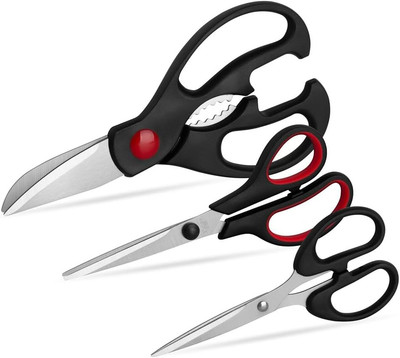
Knives can be cumbersome when navigating the intricate joints and bones of a chicken or other small fowl. Kitchen shears, especially those with sharp, tapered tips, allow for far greater precision. They can access awkward spots and make clean cuts around wing and thigh bones with ease, helping you trim meat away from the bone without unnecessary waste. This precision is invaluable for achieving neat portions and professional-looking results.
Unmatched Efficiency
Imagine the time saved when you can swiftly snip through a chicken’s rib cage rather than hacking at it with a cleaver. Kitchen shears streamline meat preparation, allowing you to break down poultry, trim fat, and even cut through smaller bones with remarkable speed. This efficiency not only makes meal prep faster but also reduces fatigue, especially when preparing larger quantities.
Anatomy of a Bone-Busting Shear: What Makes Them Great?
Not all kitchen shears are created equal, particularly when the task demands cutting through bone. The best models incorporate specific design elements and materials that ensure strength, durability, and ease of use.
Blades Built for Toughness
The heart of any good bone-cutting shear lies in its blades. You’ll want to look for:
- High-Carbon Stainless Steel: This material offers an excellent balance of sharpness retention, corrosion resistance, and overall durability. It’s essential for blades that will regularly encounter hard materials like bone.
- Micro-Serrated Edges: Many top-tier shears feature finely serrated edges. These aren’t just for show; they create a gripping action that prevents food, especially slippery skin, fat, or bone, from sliding out while you cut. This ensures a clean, confident snip every time.
- Sharp, Tapered Tips: For delicate work around joints and smaller bones, a sharp, tapered tip allows for precise entry and accurate cutting. This is particularly useful when you need to separate meat from the bone or get into tight spaces.
- Bone Notch/Breaker: Some heavy-duty shears include a specialized notch on the blade near the pivot point. This “bone notch” is designed to grip and crack tougher bones, providing extra leverage and preventing damage to the main cutting edge.
- Optimal Length: Most effective kitchen shears for heavy tasks range between 8 to 9 inches long. This length provides the necessary leverage and reach to handle larger pieces of meat and thicker bones without feeling unwieldy.
Handles Designed for Power and Comfort
Even the sharpest blades are useless without comfortable and secure handles. When cutting bone, you often need to apply considerable force, making handle design critical.
- Ergonomic and Non-Slip: Look for handles that fit naturally in your hand, with a shape that reduces strain during prolonged use. Non-slip materials, often rubberized or textured, are paramount to maintain grip even when wet or greasy.
- Generous Finger Loops/Extra Thumb Grip: Larger finger loops accommodate different hand sizes comfortably, preventing cramping. Some models, like the Joseph Joseph PowerGrip, even offer an extra thumb grip, allowing you to use both hands for maximum force when tackling exceptionally tough jobs.
- Ambidextrous Design: For shared kitchens or simply user convenience, shears designed for both right and left-handed use are a great feature.
Robust Construction
A strong pivot point and overall heavy-duty construction are vital for bone-cutting shears. This ensures they can withstand the repeated stress of tough tasks without bending, breaking, or loosening over time.
Picking Your Perfect Pair: Factors to Consider for Cutting Bone
Choosing the best kitchen shears for cutting bone means evaluating your specific needs and prioritizing key features.
Intended Use: Specialized vs. Multi-Purpose
While your primary goal might be bone cutting, consider if you want a dedicated tool or a versatile pair. Many excellent heavy-duty shears can handle bones while also excelling at other kitchen tasks like snipping herbs, cutting vegetables, or opening packaging. However, if you frequently butcher large quantities of poultry, a dedicated poultry shear with a curved beak and bone notch might be a worthwhile investment.
Material Quality: Stainless Steel is Non-Negotiable
Always opt for high-quality stainless steel blades. This ensures durability, prevents rust, and maintains sharpness over time. Avoid anything that feels flimsy or looks like it could bend under pressure.
Blade Type: Serrated for Grip
For bone cutting, micro-serrated blades are generally superior to smooth ones as they provide the necessary grip to prevent slipping. Smooth blades might be great for herbs or paper, but they won’t give you the purchase you need on a slippery bone.
Handle Comfort and Size
Pay attention to how the shears feel in your hand. If possible, try them out. Ensure the finger loops are large enough and the grip is comfortable and secure. Shears that are too small for your hands can lead to discomfort and less leverage.
The Game-Changer: Take-Apart Feature
This is a crucial feature, especially when dealing with raw meat and bone. Shears that come apart allow for thorough cleaning of each blade, preventing bacterial buildup in the pivot point and ensuring maximum hygiene. They also make sharpening much easier.
Additional Features
While not essential for bone cutting, features like built-in bottle openers, nutcrackers, or herb strippers can add to the overall utility of your shears, making them even more versatile kitchen companions.
Mastering the Snip: Safe & Effective Bone Cutting Techniques
Once you have your ideal pair of kitchen shears, knowing how to use them effectively for bone cutting will make all the difference.
Positioning for Power
When cutting through bones, especially poultry backbones for spatchcocking, lay the bird breast-side down on a cutting board. Locate the spine and place one blade of the shears on either side. Angle the shears slightly to get the best purchase on the bone.
Leverage is Key
Don’t rely solely on hand strength. Use the full length of the blades and engage your forearm and shoulder for added power. For tougher bones, position the bone closer to the pivot point of the shears, where the leverage is greatest. If your shears have a bone notch, utilize it!
Safety First, Always
Always cut away from your body and keep your free hand clear of the blades. Maintain a firm grip on both the shears and the food item. If you feel excessive resistance, reposition the shears rather than forcing the cut, which could lead to slippage or injury.
Longevity & Luster: Caring for Your Bone-Cutting Shears
Proper care and maintenance are paramount to keeping your best kitchen shears for cutting bone sharp, hygienic, and ready for action for years to come.
Immediate Cleaning for Hygiene
After cutting raw meat or bone, clean your shears immediately. If they come apart, separate the blades and wash each piece thoroughly with warm, soapy water. This is crucial for removing any bacteria and food particles that can get trapped in the pivot area.
Thorough Drying
Always dry your shears completely after washing. Even stainless steel can develop rust or water spots if left wet. A quick wipe with a clean towel will suffice.
Sharpening for Peak Performance
Even the toughest blades will dull over time with repeated bone cutting. Sharpening your shears, either with a whetstone (if they separate) or by a professional, is essential to maintain their effectiveness and safety. Sharp shears cut cleanly, reducing the effort needed and minimizing the risk of slippage.
Safe Storage
Store your shears in a safe place, such as a knife block, a drawer with a blade cover, or on a magnetic strip. This protects the blades from damage and prevents accidental cuts.
Beyond the Bird: Other Robust Uses for Heavy-Duty Shears
While our focus has been on their bone-cutting prowess, the best heavy-duty kitchen shears are incredibly versatile tools that can handle a multitude of other tough kitchen tasks.
- Fish Preparation: Snip through tough fish fins, tails, and even some smaller fish bones with ease.
- Seafood Shells: Crack open crab legs, lobster tails, or shrimp shells without a struggle.
- Tough Vegetables: Cut through the woody stems of large vegetables like broccoli or cauliflower, or even trim artichokes.
- Packaging: Effortlessly open stubborn plastic packaging, vacuum-sealed bags, or twine that would otherwise require a knife.
- Pizza and Pasta: While not for bones, heavy-duty shears can make quick work of slicing pizza, quesadillas, or even cutting fresh pasta sheets.
“Choosing the right kitchen shears is an investment in both efficiency and safety,” says Emily Davies, a renowned kitchen tool specialist. “For tasks involving bone, you need a tool that feels like an extension of your hand – powerful, precise, and utterly dependable. Don’t underestimate the impact a truly great pair of bone-cutting shears can have on your culinary adventures.”
Frequently Asked Questions
What is the difference between kitchen shears and poultry shears?
Kitchen shears are a broad category of multi-purpose tools for various kitchen tasks, including light meat cutting. Poultry shears are a specialized type of heavy-duty kitchen shears specifically designed for breaking down poultry, often featuring curved blades, a strong spring mechanism, and a bone notch to handle tougher bones and cartilage with ease.
Can regular kitchen shears cut through bone?
Many general-purpose kitchen shears can handle “fine bones” or “smaller, thinner bones” in poultry, particularly if they are sharp and heavy-duty. However, for thicker bones or extensive bone cutting (like spatchcocking a large turkey), a pair specifically designed as “best kitchen shears for cutting bone” or dedicated poultry shears will offer superior performance, safety, and durability.
How do you properly clean kitchen shears after cutting raw chicken bones?
The best practice is to separate the blades if your shears have this feature. Wash each blade thoroughly with hot, soapy water immediately after use. Scrub away any food particles, especially near the pivot point. Rinse well and dry completely with a clean towel before storing. This prevents bacterial contamination and rust.
Are spring-loaded kitchen shears better for cutting bone?
Spring-loaded kitchen shears can be advantageous for bone cutting because the spring mechanism helps to keep the blades open, reducing hand fatigue during repetitive or tough tasks. This design can provide more consistent leverage and control, making them a popular choice for heavy-duty applications.
What blade features are crucial for bone cutting?
For efficient and safe bone cutting, crucial blade features include high-carbon stainless steel for durability and sharpness, micro-serrated edges to prevent slipping on bone and skin, and a robust, sharp tip for precision. A dedicated bone notch or breaker can also significantly improve performance on tougher bones.
Conclusion
The pursuit of culinary excellence often comes down to having the right tools for the job. When it involves navigating the challenges of bone in your cooking, the best kitchen shears for cutting bone are an indispensable asset. They offer a blend of safety, precision, and efficiency that a traditional knife simply cannot match for such tasks. By choosing shears with high-quality, serrated stainless steel blades, ergonomic, non-slip handles, and crucial features like a take-apart design for easy cleaning, you’re not just buying a tool; you’re investing in a smoother, safer, and more enjoyable cooking experience. So, empower your kitchen with a pair of these remarkable shears, and prepare to tackle your toughest culinary challenges with confidence and ease.