Imagine gliding through a whole chicken with minimal effort, precisely portioning cuts, and removing bones with confidence. This isn’t a culinary fantasy; it’s the reality with the right kitchen shears for cutting chicken. Often underestimated, these specialized tools are a home cook’s secret weapon, transforming daunting poultry tasks into simple, safe, and even enjoyable endeavors. Forget wrestling with unwieldy knives; the dedicated kitchen shears are here to revolutionize your chicken preparation, ensuring cleaner cuts, improved safety, and ultimately, more delicious meals.
A Cut Above: The Evolution of Kitchen Shears
For centuries, the knife reigned supreme in the kitchen, a symbol of culinary skill. But as cooking evolved, so too did our tools. The humble pair of scissors, initially used for fabric or paper, gradually found its way into the culinary world. What started as general-purpose kitchen shears – handy for snipping herbs or opening packages – quickly specialized. Cooks realized that the unique leverage and opposing blade action of shears offered distinct advantages for certain foods. This led to the development of robust, heavy-duty variations, eventually culminating in the finely tuned instrument we now know as poultry shears, specifically engineered to tackle the challenges of raw chicken, from delicate skin to tough bones. This specialization marks a significant leap in kitchen efficiency and safety.
Kitchen Shears vs. Poultry Shears: Knowing Your Blade
While the terms “kitchen shears” and “poultry shears” are sometimes used interchangeably, understanding their nuanced differences is key to mastering chicken preparation. General kitchen shears are incredibly versatile, perfect for everyday tasks like cutting parchment paper, snipping herbs, or opening food packaging. They are designed for a broad range of lighter applications, offering convenience and a quick alternative to a knife.
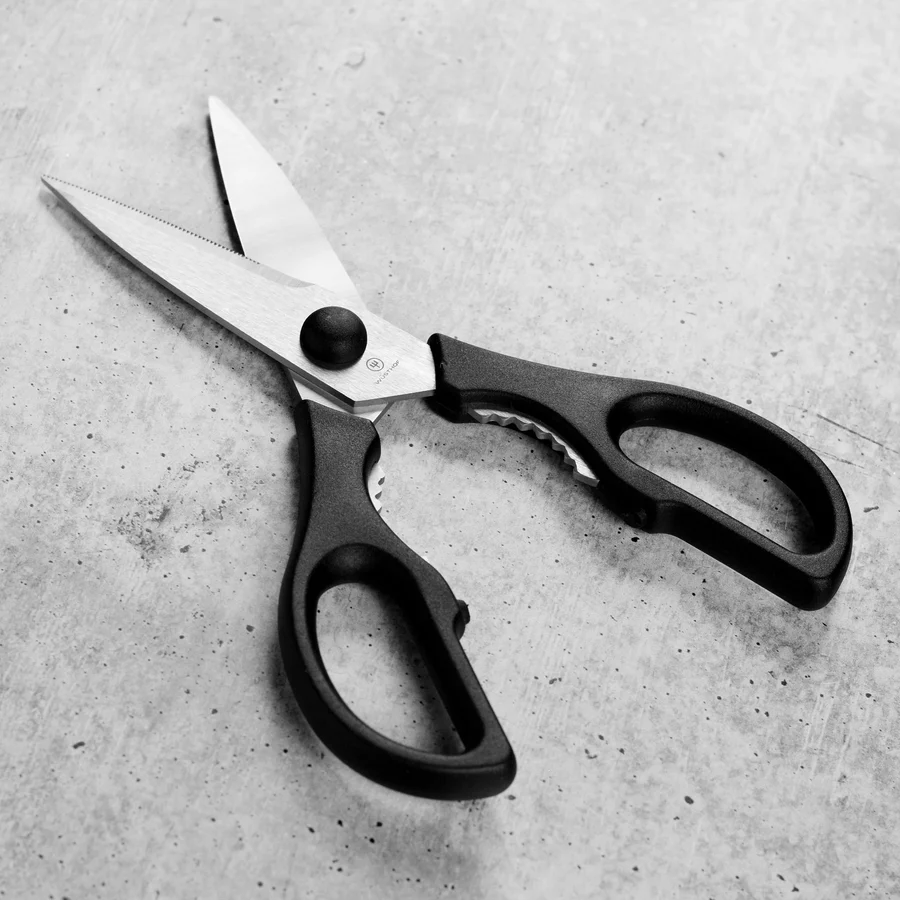
However, when it comes to the specific demands of raw chicken, specialized poultry shears step into the spotlight. These are the true “kitchen shears for cutting chicken.” They boast a more robust construction, often featuring thicker, heavy-duty blades and a spring-loaded mechanism that reduces strain on your hands. Their design frequently incorporates curved blades for easier navigation around bones and joints, along with micro-serrated edges that grip slippery chicken skin and bones, preventing dangerous slips. Many also include a dedicated bone notch, providing extra leverage for cracking through tougher parts. Whether you’re spatchcocking a whole bird for even roasting, deboning thighs, or simply portioning a chicken into serving sizes, dedicated poultry shears offer the power, precision, and safety that general kitchen shears cannot match.
Choosing Your Champion: What to Look for in Kitchen Shears for Chicken
Selecting the Best Kitchen Shears For Cutting Chicken involves more than just picking the sharpest pair. It’s about finding a tool engineered for the task, ensuring both efficiency and safety. Here are the critical factors to consider:
Blade Material and Design
The foundation of any great pair of poultry shears lies in its blades. Look for high-carbon stainless steel, known for its exceptional durability, resistance to rust and corrosion, and its ability to hold a keen edge through repeated use.
- Sharpness: This is non-negotiable. Ultra-sharp blades are essential for making clean cuts through skin, cartilage, and bone without tearing or undue force.
- Serrated Edges: Often, one or both blades will feature micro-serrations. This textured edge is a game-changer for chicken, as it provides a secure grip on slippery skin and bone, preventing the shears from sliding during a cut.
- Curved or Tapered Blades: Many poultry shears have a slight curve or tapered tips. This design offers superior leverage and allows for easier maneuvering into tight spots around bones and joints, ensuring precise cuts.
- Bone Notch: A small indentation near the pivot point, a bone notch is specifically designed to grip and cut through tougher bones with enhanced stability and power.
Handle and Grip
Comfort and control are paramount, especially when tackling a whole chicken.
- Ergonomic Design: Handles should fit comfortably in your hand, reducing fatigue during prolonged use. Look for shapes that naturally conform to your grip.
- Non-slip Material: Rubberized or textured plastic handles provide a secure grip, even when your hands are wet or greasy from handling raw chicken. This significantly enhances safety.
- Spring-Loaded Mechanism: This feature automatically opens the blades after each cut, minimizing strain and making repetitive tasks much less tiring.
- Ample Finger Loops: Ensure the finger loops are large enough and comfortable for your hands, allowing you to apply force effectively without pinching or discomfort.
Cleaning and Maintenance
Working with raw poultry demands meticulous hygiene.
- Take-Apart Blades: This is a highly recommended feature. Shears that can be easily disassembled at the hinge allow for thorough cleaning of all nooks and crannies, preventing bacterial buildup and ensuring optimal sanitation. They also dry faster, which helps prevent rust.
- Dishwasher Safety: While some shears are dishwasher safe, hand-washing is often recommended to maintain blade sharpness and overall longevity. Always check manufacturer instructions.
Safety Features
Thoughtful design elements contribute to a safer kitchen.
- Locking Mechanism: A locking clasp or mechanism keeps the blades securely closed when not in use, preventing accidental injuries during storage.
Mastering the Cut: Safe and Effective Use for Poultry
Incorporating kitchen shears into your chicken preparation routine can dramatically simplify tasks that once seemed intimidating. Here’s how to use them safely and effectively:
- Spatchcocking a Chicken: This technique, where you remove the backbone to flatten the bird for even cooking, is where poultry shears truly shine. Simply place the chicken breast-side down and use the shears to cut along both sides of the backbone, from tail to neck. The bone notch and serrated blades will make quick work of the task.
- Portioning a Whole Chicken: Instead of struggling with a cleaver, use your shears to separate legs, thighs, wings, and breasts. They offer precise control to cut through joints and cartilage cleanly.
- Trimming Fat and Skin: Easily snip away excess fat or skin from chicken pieces, allowing for healthier and more aesthetically pleasing results.
- Deboning: For tasks like deboning chicken thighs, the sharp, tapered tips can navigate around bones with greater finesse than a knife.
Safety Tips for Shear Use:
- Always work on a stable, non-slip cutting surface.
- Keep your fingers well clear of the blades.
- Always clean your shears thoroughly with hot, soapy water immediately after contact with raw poultry. If they are take-apart, separate the blades for a more comprehensive wash.
- Store them with the blades locked or in a protective sheath.
Beyond the Blade: The Undeniable Benefits of Shears for Chicken
The advantages of using dedicated kitchen shears for chicken extend far beyond mere convenience.
- Efficiency and Speed: Tasks like spatchcocking a chicken, which can be cumbersome and time-consuming with a knife, become remarkably quick and easy with the right shears. This saves precious time in the kitchen.
- Precision and Control: The ergonomic design and opposing blades of shears offer superior control, allowing for precise cuts around bones and through slippery skin without tearing the meat. This precision enhances both cooking consistency and presentation.
- Enhanced Safety: Working with raw poultry, especially around bones, can be hazardous with a knife due to the risk of slippage. Shears provide a more secure grip and controlled cutting motion, significantly reducing the chance of accidents.
- Improved Food Integrity: The “shear force” applied by shears creates cleaner cuts, minimizing cell damage compared to the dragging motion of a knife. This can lead to less moisture loss, more tender meat, and even crispier chicken skin when cooked. As Chef Eleanor Vance, a renowned culinary instructor, often advises, “A dedicated pair of poultry shears isn’t just a convenience; it’s a game-changer for anyone serious about cooking chicken safely and efficiently. The precision and leverage they offer minimize effort and maximize delicious results.”
- Versatility: While specifically designed for chicken, heavy-duty kitchen shears can also tackle other tough kitchen tasks, such as cutting through fish bones, trimming fibrous vegetables, or even opening stubborn packaging.
Caring for Your Culinary Companion: Maintenance Tips
To ensure your kitchen shears for cutting chicken remain a reliable kitchen workhorse for years to come, proper care is essential.
- Immediate Cleaning: After each use, especially with raw poultry, wash your shears immediately with warm, soapy water. If they are a take-apart model, separate the blades to clean all surfaces thoroughly.
- Thorough Drying: Dry your shears completely with a towel before storing them. Even stainless steel can rust if left wet, particularly in the pivot area. Air-drying is not sufficient; always towel dry.
- Sharpening: While high-quality blades hold their edge for a long time, all sharp tools eventually need sharpening. If your shears can be taken apart, you can sharpen the individual blades using a sharpening stone, much like you would a knife. For fixed-blade shears, specialized shear sharpeners may be needed.
- Proper Storage: Always store your shears with the locking mechanism engaged (if applicable) and ideally in a knife block, magnetic strip, or with a blade guard to protect the edge and prevent accidental cuts.
Frequently Asked Questions
What’s the main difference between kitchen shears and poultry shears?
While both are used in the kitchen, poultry shears are specifically designed for heavy-duty tasks involving chicken and other birds. They typically feature thicker, stronger blades, often serrated, with a spring-loaded mechanism and sometimes a bone notch, to handle bones, cartilage, and tough skin more effectively than general kitchen shears.
Can I use regular scissors to cut chicken?
It’s generally not recommended. Regular household scissors lack the strength, sharpness, and ergonomic design needed to cut through chicken bones and tough skin safely and efficiently. Using them could damage the scissors, make the task difficult, and potentially lead to injury or uneven cuts.
How do kitchen shears make cutting chicken easier than a knife?
Kitchen shears, particularly poultry shears, offer superior leverage and control, making it easier to navigate around bones and joints. Their opposing blades provide a cleaner, more controlled cut than a single knife blade, reducing the effort needed and minimizing the risk of slips, especially when dealing with slippery raw chicken.
Are kitchen shears dishwasher safe?
Some kitchen shears are designed to be dishwasher safe, but many manufacturers recommend hand-washing to preserve the sharpness of the blades and extend the tool’s lifespan. Always check the specific care instructions provided with your shears.
How often should I sharpen my kitchen shears?
The frequency of sharpening depends on how often you use them and the types of materials you cut. For regular use with chicken, sharpening once or twice a year is a good guideline, or whenever you notice they are no longer cutting cleanly and require more force.
What tasks are kitchen shears best for when dealing with chicken?
Kitchen shears excel at tasks like spatchcocking (removing the backbone), portioning a whole chicken into pieces, trimming excess fat and skin, and cutting through small bones and cartilage with precision and ease.
Why are serrated blades important for cutting chicken?
Serrated blades provide a crucial grip on slippery surfaces like raw chicken skin and bones, preventing the shears from sliding during the cut. This enhances both safety and efficiency, allowing for cleaner, more controlled cuts.
Ready for Your Next Culinary Adventure?
Embracing the best kitchen shears for cutting chicken is more than just adding another gadget to your drawer; it’s an investment in efficiency, safety, and culinary confidence. From perfectly spatchcocked birds to precisely portioned cuts, the right pair of poultry shears will transform your chicken preparation from a chore into a joy. We encourage you to explore the options, find the pair that feels like an extension of your hand, and experience the unparalleled convenience and superior results they bring to your kitchen. Happy cooking!