Stepping into the kitchen to tackle a beautiful cut of meat can be both exciting and a little daunting, especially when thinking about the tools you’ll need. While a sharp knife is undeniably essential, there’s another unassuming hero waiting in the wings that can revolutionize your meat preparation: the kitchen shears. Specifically, finding the Best Kitchen Shears For Meat can transform tricky tasks into effortless ones, offering unparalleled control and safety. If you’ve ever struggled to spatchcock a chicken, trim stubborn fat, or portion raw meat with a knife, you’re about to discover your new favorite kitchen gadget.
The Journey of Kitchen Shears: From Utility to Culinary Essential
The concept of shears dates back thousands of years, with early forms used for shearing sheep or cutting textiles. Over time, as culinary practices evolved and kitchens became more specialized, the need for dedicated cutting tools beyond just knives became apparent. Kitchen shears as we know them today began to emerge, designed to handle everything from opening packages to snipping herbs. However, it was their inherent ability to provide leverage and precision that truly cemented their place, particularly in meat preparation. From simple, sturdy designs to sophisticated, spring-loaded poultry shears, their evolution reflects a continuous effort to make kitchen tasks easier, safer, and more efficient for home cooks and professional chefs alike.
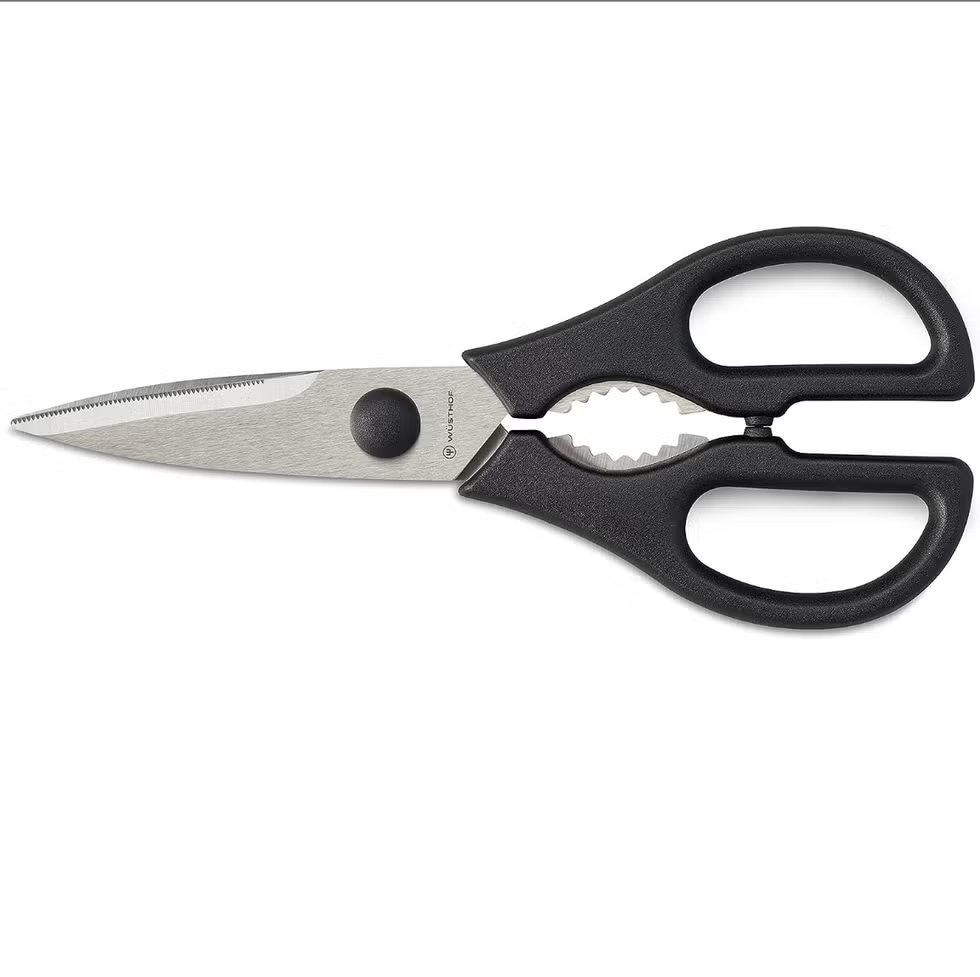
Why Kitchen Shears Are a Game-Changer for Meat Preparation
When it comes to handling raw meat, kitchen shears offer distinct advantages that even the sharpest chef’s knife can’t always match.
Unmatched Control and Precision
Imagine trying to trim a delicate piece of silverskin off a tenderloin with a large knife. It can be awkward and potentially hazardous. Kitchen shears, especially those designed for meat, give you a much finer degree of control, allowing for precise cuts without the risk of over-trimming or accidental slips. This enhanced control makes them far safer for many meat-related tasks.
Streamlined Efficiency
Certain meat preparation tasks, like spatchcocking a chicken, become significantly faster and less strenuous with the right shears. Instead of wrestling with a backbone using a knife and a lot of force, a good pair of poultry shears can snip through it in a matter of seconds. They also excel at portioning poultry, bacon, or other raw meats directly into a pan or pot, minimizing handling and mess.
Enhanced Hygiene
Using shears can reduce the amount of contact raw meat has with your cutting board, especially when cutting directly over a bowl or pan. This helps in preventing cross-contamination, a critical concern when handling poultry or other raw proteins. Many meat shears are also designed for easy cleaning, some even separating into two halves to ensure no raw meat residue is left behind.
Types of Kitchen Shears: Finding Your Meat Master
Not all kitchen shears are created equal, especially when it comes to tackling tough meat. Understanding the different types will help you choose the best kitchen shears for meat that suit your specific needs.
Poultry Shears
These are the heavyweights of the kitchen shear world, specifically engineered for tasks like spatchcocking chickens, turkeys, and ducks, or portioning cooked poultry.
- Key Features: Often spring-loaded for continuous cutting, ergonomic handles for a comfortable grip and maximum leverage, curved blades to get around bones, and frequently a “bone notch” or serrated section to grip and snip through smaller bones or cartilage.
- Why they’re great for meat: Their robust construction and specialized design make light work of tough poultry bones and skin, making them indispensable for anyone who regularly prepares whole birds.
Heavy-Duty Multi-Purpose Shears
While not exclusively designed for poultry, these versatile shears are built to be robust enough to handle many meat-cutting tasks.
- Key Features: Strong, sharp stainless steel blades, a sturdy pivot point, and comfortable handles. They might not have the curved blades or spring-load of dedicated poultry shears but can still perform admirably for trimming fat, cutting bacon, or portioning thinner cuts of meat.
- Why they’re great for meat: Their all-around strength means they can stand up to tougher materials, making them a solid choice if you want one pair of shears to do it all, including some meat prep.
It’s important to distinguish these from lighter-duty herb or utility shears, which are fantastic for delicate tasks but would quickly dull or break when faced with raw meat or bone. For meat, durability and sharpness are paramount.
How to Choose the Best Kitchen Shears for Meat
Selecting the ideal pair involves considering several critical factors to ensure they meet the demands of meat preparation.
Blade Material and Sharpness
The heart of any good shear lies in its blades.
- High-Carbon Stainless Steel: This is the gold standard. It offers an excellent balance of sharpness, edge retention, and resistance to rust and corrosion – crucial when dealing with raw meat and frequent washing.
- Blade Edge: Some shears feature micro-serrated edges which can help grip slippery meat and prevent it from sliding while cutting, offering extra control. Others have a razor-sharp, smooth edge that glides through flesh cleanly. Both have their merits; personal preference often dictates the choice.
Blade Design and Features
Thoughtful blade design can significantly impact performance.
- Curved Blades: Often found on poultry shears, these are designed to navigate the contours of a bird, making it easier to cut along the backbone or through joints.
- Straight Blades: More common on multi-purpose shears, these are versatile for general trimming and portioning.
- Bone Notch: A small indentation on the blade, typically near the pivot, allows you to grip and secure small bones or cartilage for a clean, decisive cut.
- Separable Blades: Many modern shears can be taken apart. This is a huge advantage for thorough cleaning, especially after handling raw meat, ensuring no pathogens can hide in the pivot.
Handle Comfort and Grip
You’ll be applying significant pressure, so comfort is key.
- Ergonomic Design: Handles that fit naturally in your hand reduce fatigue and provide better control.
- Non-Slip Material: Rubberized or textured handles offer a secure grip even when your hands are wet or greasy, a common occurrence during meat prep.
- Ambidextrous Design: If multiple people use the shears or if you’re left-handed, a universal design is beneficial.
Pivot and Hinge Durability
The pivot point is where the two blades meet and where all the leverage is generated.
- Sturdy Construction: A robust, tightly fitted pivot ensures the blades stay aligned and provides powerful cutting action without wobbling or bending. Look for high-quality rivets or screws.
Additional Features
Some extras can add to the functionality of your shears.
- Spring-Loaded Mechanism: This feature reduces hand strain during repetitive cuts by automatically opening the blades after each squeeze. Essential for heavy-duty poultry work.
- Locking Mechanism: A safety lock keeps the spring-loaded shears closed when not in use, protecting the blades and preventing accidental injury.
- Integrated Tools: Some shears come with extra features like a bottle opener, nutcracker, or screwdriver, though for meat cutting, the primary focus should remain on the blades and handles.
“As Emily Davies, a seasoned kitchen tool expert, often reminds us, ‘The right pair of kitchen shears transforms daunting meat prep into a swift, precise task. It’s about empowering home cooks with tools that work smarter, not harder, especially when dealing with poultry and other challenging cuts.'”
Using Kitchen Shears Safely and Effectively for Meat
Once you’ve chosen your best kitchen shears for meat, knowing how to wield them properly will maximize their utility and keep you safe.
Proper Grip and Technique
Always hold the shears firmly with a comfortable, secure grip. For tough cuts, position the meat as close to the pivot point as possible to maximize leverage. Use steady, controlled squeezes rather than quick, jerky movements.
Specific Applications
- Spatchcocking a Chicken: This technique involves removing the backbone to flatten the bird for faster, more even cooking. Use your heavy-duty shears to cut along both sides of the backbone, from the tail to the neck. The bone notch will be invaluable here for gripping the rib bones.
- Trimming Fat and Skin: The precision of shears is perfect for snipping away excess fat, gristle, or tough silverskin from roasts, steaks, or poultry without cutting into the valuable meat.
- Portioning Raw Meat: Whether it’s cutting chicken breasts into smaller pieces for stir-fries, dicing bacon, or portioning stew meat, shears offer a clean, controlled cut directly into your bowl or pan, reducing the need for a cutting board.
- Cutting Cooked Meat: While primarily discussed for raw meat, shears are also excellent for portioning cooked poultry, cutting ribs, or even slicing pizza.
Safety Precautions
- Always cut away from your body.
- Ensure a stable surface when cutting larger pieces of meat.
- Keep fingers clear of the blades, especially with spring-loaded models.
- Store safely when not in use, ideally with a blade cover or in a locked position if spring-loaded.
Maintenance and Care Tips for Meat Shears
Proper care will extend the life and sharpness of your best kitchen shears for meat, especially after handling raw proteins.
Immediate Cleaning
After each use, particularly with raw meat, wash your shears thoroughly with hot, soapy water. If your shears separate, take them apart for a more complete clean around the pivot and blade surfaces. This is critical for preventing the spread of bacteria.
Drying and Storage
Dry your shears immediately and completely after washing to prevent rust, even if they are stainless steel. Store them in a safe place, such as a knife block, a drawer organizer, or with a blade guard to protect the edge and prevent accidental cuts.
Sharpening
Some kitchen shears can be sharpened using a specialized shear sharpener or by a professional. Check the manufacturer’s instructions. A well-maintained edge will make cutting tasks significantly easier and safer.
Avoiding Misuse
Resist the temptation to use your good meat shears for non-food items like wire, cardboard, or heavy plastic. This can dull or damage the blades, compromising their performance on meat.
Benefits of Shears Over Knives for Meat Prep
While knives are indispensable, shears offer distinct advantages that make them a superior choice for specific meat tasks.
Enhanced Safety
Shears provide a more enclosed cutting action, reducing the risk of accidental slips and cuts that can occur with a long, exposed knife blade, especially on slippery raw meat.
Superior Control
The scissor-like action gives you direct control over the cut, allowing for intricate trimming and precise portioning that can be challenging with a knife.
Faster Workflow for Certain Tasks
For jobs like spatchcocking, removing poultry skin, or dicing bacon, shears are often significantly quicker and less labor-intensive than repeatedly chopping with a knife.
Less Mess
With shears, you can often cut directly into a bowl or pot, minimizing the spread of raw meat juices on your cutting board and countertop, leading to a cleaner kitchen.
Creative Uses You Might Not Expect
Your best kitchen shears for meat are more versatile than you might imagine, extending their usefulness beyond just raw proteins.
- Slicing Cooked Meat: Perfectly cut hot pizza slices, trim grilled chicken breasts, or portion a whole roasted bird with ease.
- Opening Stubborn Packaging: While you should avoid non-food items, some tough food packaging or butcher paper can be easily opened.
- Breaking Down Crabs/Lobsters: The strong blades can assist in opening shells for easier access to the meat.
- Trimming Tough Herbs or Vegetables: While not their primary role, heavy-duty shears can make quick work of fibrous herbs or tough greens.
Frequently Asked Questions About Kitchen Shears for Meat
Can I put kitchen shears in the dishwasher?
Many modern kitchen shears, especially those made from high-quality stainless steel and with separable blades, are dishwasher safe. However, hand washing is generally recommended to preserve the sharpness of the blades and extend their lifespan, especially for the best kitchen shears for meat. Always check the manufacturer’s instructions.
What’s the difference between poultry shears and regular kitchen shears?
Poultry shears are a specialized type of kitchen shears, typically featuring a spring-loaded mechanism, curved blades, a sturdy pivot, and often a bone notch. They are designed for heavy-duty tasks like cutting through poultry bones. Regular kitchen shears are more general-purpose, suitable for lighter tasks like snipping herbs or opening packages, and may not have the strength or features for tough meat.
Are serrated blades better for cutting meat?
For cutting meat, a micro-serrated blade can offer a better grip on slippery surfaces, preventing the meat from sliding while you cut. This can enhance control and safety. However, a razor-sharp, smooth blade can also cut very cleanly. The choice often comes down to personal preference for the type of cut you desire.
How do I sharpen kitchen shears?
Sharpening kitchen shears can be done with specialized shear sharpeners, though it’s often more challenging than sharpening a knife. Some shears can be sharpened by a professional. If your shears separate, you can sometimes sharpen each blade individually.
Can they cut through small bones?
Yes, the best kitchen shears for meat, particularly dedicated poultry shears with a bone notch and robust construction, are designed to cut through smaller bones like those in a chicken’s backbone or rib cage.
How do I clean shears after cutting raw meat?
After cutting raw meat, it’s crucial to wash your shears immediately and thoroughly with hot, soapy water. If they separate, take them apart to clean all surfaces, especially around the pivot, to prevent bacterial growth. Rinse well and dry completely to prevent rust.
Embrace the Power of Precision
The right kitchen shears are more than just another gadget; they are an indispensable tool that can significantly improve your efficiency, safety, and precision when preparing meat. From effortlessly spatchcocking a chicken to meticulously trimming fat, the best kitchen shears for meat empower you to tackle challenging cuts with confidence. So, don’t just reach for your knife every time. Discover the control, ease, and culinary freedom that a top-tier pair of kitchen shears can bring to your cooking experience. Your hands, and your perfectly prepared meals, will thank you.