Every bustling kitchen has its unsung heroes, those tools that quietly make our lives easier, faster, and more efficient. Among them, a truly good pair of kitchen shears stands out, often relegated to the back of a drawer but capable of tackling an astonishing array of tasks. Far beyond what ordinary scissors can handle, a quality set of kitchen shears is an indispensable asset for any home cook, transforming challenging prep into simple snips. If you’re looking to elevate your culinary game, understanding what makes Good Kitchen Shears essential is your first step toward kitchen mastery.
The Cutting Edge of History: A Brief Look at Kitchen Shears
While the modern kitchen shear might seem like a relatively contemporary invention, its roots stretch back millennia. The earliest ancestors of cutting tools, known as “spring scissors,” emerged in Mesopotamia some 3,000 to 4,000 years ago, designed as simple bronze blades connected by a flexible strip. These rudimentary tools paved the way for a revolutionary design by the Romans around 100 AD: the pivoted scissor, where blades were joined at a central point. This pivotal innovation laid the groundwork for the cutting tools we know today.
It wasn’t until the 18th century, with the dawn of the Industrial Revolution, that scissors – and subsequently shears – truly entered the mainstream. Robert Hinchliffe of Sheffield, England, is credited with mass-producing the first modern pivoted scissors in 1761, making them accessible to a wider public. Over time, as culinary techniques evolved and the need for more robust, specialized cutting tools grew, these general-purpose scissors transformed. They developed into the heavy-duty “shears” we now appreciate in the kitchen, designed to withstand the demands of food preparation, a testament to centuries of refinement for optimal function.
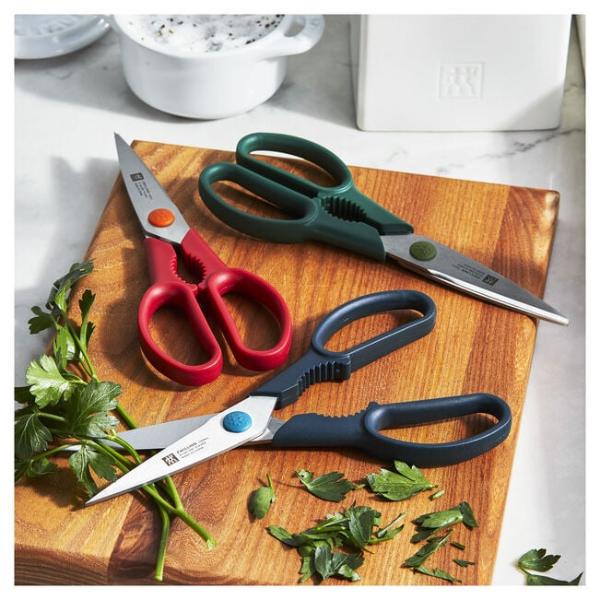
Kitchen Shears vs. Regular Scissors: A Cut Above the Rest
Many people mistakenly believe that kitchen shears are just “stronger scissors.” While they share a similar mechanism, the differences are profound and crucial for safety and efficiency in the kitchen. Understanding these distinctions is key to appreciating why good kitchen shears are a specialized tool.
First and foremost, consider the blade strength and design. Good kitchen shears boast thicker, more robust blades, often featuring micro-serrated edges. These tiny “teeth” are not just for show; they provide exceptional grip on slippery foods like raw chicken skin, fish fillets, or ripe tomatoes, preventing them from sliding during a cut. Regular scissors, by contrast, have thinner, smooth blades designed for lightweight materials such such as paper or fabric, which would quickly dull or even bend when faced with tougher kitchen tasks.
The leverage and fulcrum also set them apart. Kitchen shears are engineered with a pivot point positioned to maximize cutting power, allowing you to exert more force with less effort. This mechanical advantage is vital when tackling dense ingredients or bone.
Then there are the handles and comfort. You’ll typically find kitchen shears with asymmetrical handles – one smaller opening for your thumb and a larger loop for multiple fingers. This design, often coupled with ergonomic, cushioned, non-slip grips made from materials like silicone or rubber, ensures a comfortable and secure hold, reducing hand fatigue during extended use. This comfort and control are particularly important when dealing with wet or greasy hands. Regular scissors usually feature symmetrical, equally sized finger holes that offer less leverage and comfort for heavy-duty work.
Finally, the material itself is a defining factor. High-quality kitchen shears are crafted from food-grade, high-carbon stainless steel. This material isn’t just durable; it’s specifically chosen for its resistance to rust and corrosion, even when exposed to acidic foods like lemons or tomatoes. Standard scissors often lack this specialized material, making them susceptible to damage and rust in a kitchen environment. In essence, while both are cutting tools, good kitchen shears are purpose-built for the rigors of culinary work, offering superior performance, safety, and longevity.
The Many Lives of Good Kitchen Shears: Common and Creative Uses
Once you experience the versatility of good kitchen shears, you’ll wonder how you ever managed without them. They excel at tasks that knives often struggle with, offering precision, speed, and enhanced safety.
In food preparation, their capabilities are vast. Think about breaking down a whole chicken: good kitchen shears can effortlessly spatchcock poultry, trim excess fat and skin, and snip through small bones and cartilage, often with greater ease and control than a chef’s knife. They’re perfect for snipping fresh herbs directly into a pot, finely dicing green onions, or even cutting vegetables like green beans and canned tomatoes. Slicing raw bacon, trimming dough, or cutting a thin-crust pizza or quesadilla into perfect portions becomes a breeze.
Beyond fresh ingredients, good kitchen shears are incredibly useful for packaging. Those notoriously difficult-to-open clamshell packages, stubborn food bags, or rolls of parchment and wax paper can all be tamed with a quick, clean snip. No more fumbling with knives or risking cuts.
And the utility doesn’t stop there. Many models come with built-in features like nutcrackers for shells or jar openers between the handles, further expanding their multi-tool capabilities. They can even be used to prepare kid-friendly meals, quickly cutting pasta, waffles, or other foods into bite-sized pieces. The sheer breadth of tasks a pair of good kitchen shears can handle truly solidifies its role as a kitchen essential.
What Makes Good Kitchen Shears Truly Great? A Buying Guide
Choosing the right pair of good kitchen shears means looking beyond the basics. Here’s what discerning home cooks should consider:
- Material Matters: Opt for blades made from high-quality, food-grade stainless steel. This ensures durability, maintains sharpness, and resists rust and corrosion, even after countless encounters with acidic ingredients.
- Blade Design for Performance: Sharpness is non-negotiable. Look for blades that come to a fine point for precision work and, ideally, one blade with micro-serrations. These tiny ridges are a game-changer for gripping slippery foods, preventing them from sliding while you cut through poultry, fish, or even delicate herbs. Shorter, more compact blades often provide better control and leverage for heavy-duty tasks.
- The “Take-Apart” Advantage: This feature is crucial for hygiene. Good kitchen shears should easily come apart at the pivot point, allowing for thorough cleaning of both blades. This prevents food residue from accumulating in crevices, significantly reducing the risk of bacterial growth and ensuring your shears are truly sanitary.
- Comfortable, Ergonomic Handles: Hand comfort is paramount, especially during prolonged use. Seek out large, ergonomic handles with soft, non-slip grips (often silicone or rubberized). They should fit comfortably in your hand, offering ample room for your fingers and providing excellent leverage. Some brands also offer designs specifically catering to left-handed users, so keep an eye out if that applies to you.
- Spring-Loaded Mechanism: For tasks involving significant force, such as spatchcocking a turkey or cutting through tougher bones, a spring-loaded mechanism can be a tremendous asset. It helps reduce hand strain by assisting the blades in springing back open after each cut.
- Balance and Weight: A well-balanced pair of good kitchen shears feels like an extension of your hand. It should have a sturdy, substantial feel without being overly heavy, allowing for controlled, precise cuts. Poorly balanced shears can quickly lead to hand fatigue and less accurate results.
- Durability and Construction: Examine the overall build. A solid construction with minimal crevices or weak points suggests a durable tool that will stand up to years of use.
“When selecting good kitchen shears, don’t just focus on sharpness,” advises Emily Davies, a seasoned kitchen tool expert. “The true value lies in their durability, ergonomic design, and especially the ability to easily separate for thorough cleaning. These features ensure both efficiency and paramount food safety.”
Caring for Your Good Kitchen Shears: Maintenance Tips
Even the best kitchen shears need a little love to maintain their peak performance and longevity. Proper care isn’t just about keeping them shiny; it’s about ensuring they remain safe and effective.
Cleaning is critical. While some manufacturers might claim their shears are “dishwasher safe,” the consensus among culinary experts is to hand wash them. Detergents and the harsh environment of a dishwasher can dull blades, damage handle materials, and even lead to rust over time. Instead, separate the blades (if your shears have this feature) and wash them thoroughly with warm, soapy water after each use, paying close attention to any areas where food might accumulate.
Immediate and thorough drying is equally important. Water, especially if left to air dry, can promote rust, even on stainless steel. Use a clean towel to dry both blades and handles completely before storing.
Sharpening helps maintain their edge. If your shears are separable, you can often sharpen them with a whetstone, treating each blade like a knife. For micro-serrated blades or if you’re unsure, consider professional sharpening to ensure the correct angle and edge are maintained. Some general kitchen shears, used for lighter tasks, might benefit from a quick run through a knife sharpener, but always check the manufacturer’s recommendations.
Finally, storage matters. Store your good kitchen shears safely to protect their sharp edges and prevent accidental injury. A blade guard, a dedicated slot in a knife block, or a magnetic strip are all excellent options. Avoid tossing them loosely into a drawer where they can get nicked or damage other utensils.
Why Invest in Good Kitchen Shears? The Unsung Hero of Your Kitchen
Beyond the practical applications, investing in good kitchen shears offers a host of benefits that make them an indispensable addition to your culinary arsenal.
- Enhanced Safety: For many tasks, such as breaking down poultry or cutting slippery raw meats, shears offer significantly more control and less risk of slippage compared to a knife, reducing the chance of accidental cuts.
- Unmatched Efficiency: They speed up countless prep tasks, from snipping herbs to opening packaging, saving you precious time in the kitchen. Their unique design allows for precision and power that knives can’t always match for specific jobs.
- Incredible Versatility: A single pair of good kitchen shears can replace several specialized tools, freeing up drawer space and streamlining your workflow. Their multi-functionality makes them a true workhorse.
- Reduced Cleanup: The ability to cut ingredients directly into pots, pans, or serving dishes minimizes the need for extra cutting boards and utensils, resulting in less washing up.
- Preserves Your Knives: By using shears for tasks involving bones, packaging, or very sticky ingredients, you protect your valuable kitchen knives from dulling or damage, extending their lifespan and keeping them razor-sharp for their intended uses.
Frequently Asked Questions About Good Kitchen Shears
Q: Are good kitchen shears truly worth the investment?
A: Absolutely. Good kitchen shears offer unparalleled versatility, efficiency, and safety for a wide range of culinary tasks, from breaking down poultry to snipping herbs and opening stubborn packaging. They protect your knives and simplify meal prep, making them a worthwhile addition to any kitchen.
Q: Can good kitchen shears cut through bone?
A: Yes, many heavy-duty or poultry-specific kitchen shears are designed with strong, often serrated blades that can effectively cut through small bones and cartilage in poultry and fish. However, they are not intended for cutting through large, dense bones.
Q: How often should I sharpen my kitchen shears?
A: The frequency depends on how often you use them and what you cut. For regular use, sharpening your good kitchen shears every 6-12 months, or whenever you notice a decline in cutting performance, is a good guideline. Detachable blades make this process much easier.
Q: Are all kitchen shears dishwasher safe?
A: While some manufacturers market their shears as dishwasher safe, it is generally recommended to hand wash your good kitchen shears. The high heat and harsh detergents in dishwashers can dull the blades, damage handles, and potentially lead to rust.
Q: What’s the best way to store kitchen shears?
A: Store your good kitchen shears safely to protect the blades and prevent accidents. Options include a magnetic knife strip, a dedicated slot in a knife block, or with a blade guard if storing in a drawer. Avoid loose storage to prevent damage and nicks.
Q: Can left-handed people use all kitchen shears?
A: Most kitchen shears are designed with ambidextrous handles, but some specific models may be optimized for right-handed use. It’s best to check product descriptions or test the shears for comfort if you are left-handed, as some brands offer left-handed specific options.
Q: What’s the difference between poultry shears and general kitchen shears?
A: While both are types of good kitchen shears, poultry shears are typically heavier-duty, often spring-loaded, and feature exceptionally strong, serrated blades specifically designed for cutting through poultry bones and tough joints. General kitchen shears are multi-purpose and suitable for a broader range of lighter to moderately heavy kitchen tasks.
The Final Snip: Embrace the Power of Good Kitchen Shears
In the grand symphony of the kitchen, good kitchen shears play a crucial, harmonious role. They are more than just a tool; they are a partner in culinary creation, offering a blend of precision, power, and practicality that few other utensils can match. From simplifying tough poultry prep to streamlining everyday tasks and even enhancing safety, the benefits are undeniable. So, take a moment to consider the humble yet mighty good kitchen shears. Explore the options, find a pair that feels right in your hand, and prepare to unlock a new level of efficiency and joy in your cooking journey. Your kitchen (and your hands) will thank you for it.