Imagine a kitchen where every cutting task feels effortless, safe, and precise. A place where wrestling with stubborn packaging or struggling to break down poultry with a knife becomes a distant memory. This isn’t a culinary fantasy; it’s the reality with a quality pair of Kitchen Shears. Far more than just glorified scissors, these unsung heroes of the kitchen are multi-functional powerhouses designed to revolutionize your food preparation and make you wonder how you ever cooked without them.
The Culinary Multitool: What Are Kitchen Shears Used For?
At first glance, kitchen shears might seem like a niche tool, but their versatility quickly makes them indispensable. They truly earn their title as the “Swiss Army knife” of the kitchen, tackling a surprising array of tasks with ease.
One of their most lauded applications is in poultry preparation. From spatchcocking a whole chicken by effortlessly cutting through the backbone to trimming excess fat or sectioning drumsticks, kitchen shears provide superior control and leverage compared to a knife. This makes handling slippery raw meat far safer and more efficient. Beyond poultry, they are excellent for portioning fish, snipping bacon into lardons, or cutting other thin meats into bite-sized pieces without tearing.
Their precision also shines with fruits and vegetables. Think about snipping fresh herbs directly over a simmering pot, neatly trimming green beans, or dicing bell peppers and scallions. They can even handle delicate tasks like hulling strawberries or segmenting citrus. For those moments when you’ve already added ingredients to a hot pan and realize a piece is too large, kitchen shears allow you to resize food directly in the cooking vessel, saving time and extra cleanup.
But the utility doesn’t stop there. Kitchen shears are your go-to for opening stubborn food packaging, whether it’s plastic, cardboard, or vacuum-sealed bags, eliminating the need for a knife that could slip. Many models feature integrated tools, transforming them into even greater helpers. These can include a nutcracker for effortlessly cracking shells, a bottle opener for refreshing beverages, or a jar opener to loosen the tightest lids, showcasing their true multi-purpose design. They can even be used to cut parchment paper, pizza dough, or fresh pasta with clean lines.
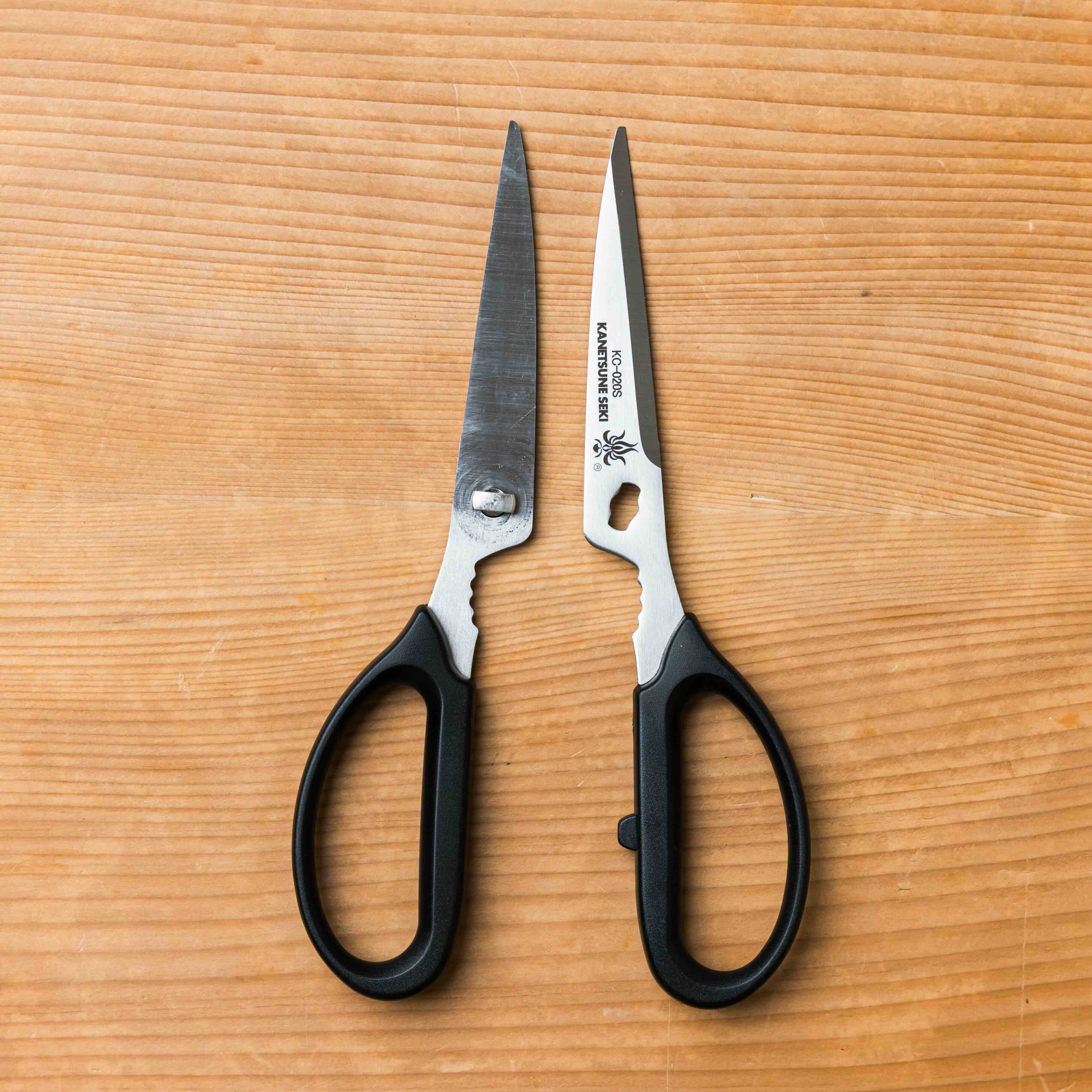
Beyond the Basics: Kitchen Shears vs. Regular Scissors
While they may resemble common household scissors, kitchen shears are engineered with distinct differences that cater specifically to the demanding environment of food preparation. Understanding these differences highlights why kitchen shears are a superior choice for culinary tasks.
First and foremost is blade strength and design. Kitchen shears typically boast thicker, stronger blades, often crafted from food-grade, high-carbon stainless steel. This robust construction allows them to effortlessly cut through materials that would quickly dull or damage ordinary scissors, such as small bones or tough sinews. Many kitchen shears also feature a micro-serrated edge on one blade, which acts like tiny teeth to grip slippery foods like chicken skin or tomatoes, preventing them from sliding during the cut and ensuring greater safety and precision.
The ergonomics and power of kitchen shears are also significantly enhanced. Unlike the symmetrical finger holes of regular scissors, kitchen shears often have asymmetrical handles—one smaller opening for the thumb and a larger loop designed to accommodate multiple fingers. This design, combined with cushioned, non-slip grips, provides a more comfortable and secure hold, reducing hand fatigue during extended use or when applying considerable force. Furthermore, the pivot point (fulcrum) on kitchen shears is often positioned strategically to provide superior leverage, giving you more cutting power with less effort.
Perhaps one of the most critical distinguishing features for kitchen hygiene is the take-apart design. Many high-quality kitchen shears can be easily separated into two individual blades. This allows for thorough cleaning, especially after handling raw meats, ensuring no food particles or bacteria are trapped in the pivot area, a common breeding ground for germs in traditional scissors. This feature is paramount for maintaining a sanitary kitchen environment.
How to Choose the Best Kitchen Shears for Your Culinary Adventures
Selecting the perfect pair of kitchen shears can feel daunting with so many options available. However, focusing on a few key factors will help you find a tool that truly elevates your cooking experience.
First, consider the blade material and design. Stainless steel is almost universally preferred for its durability, rust resistance, and ease of cleaning. Look for blades that are sharp from tip to hinge and ideally feature a micro-serrated edge on one side. This serration is a game-changer for gripping slippery foods and making clean, precise cuts. Some shears also come with a bone notch, specifically designed to give you extra grip and power when cutting through small bones.
Next, prioritize handle comfort and grip. You’ll be applying force, so ergonomic handles that fit comfortably in your hand are crucial. Non-slip materials, such as rubberized or textured grips, are highly beneficial, especially when your hands might be wet or greasy. The finger holes should be adequately sized to accommodate your hand, preventing cramping and allowing for maximum control.
A take-apart design is, as mentioned, a non-negotiable feature for serious home cooks. The ability to separate the blades ensures you can thoroughly clean and sanitize every crevice, which is vital after tasks like breaking down poultry. This also simplifies sharpening and drying, contributing to the shears’ longevity.
Finally, consider any additional features that might enhance your cooking style. Many kitchen shears come equipped with built-in functionalities like bottle openers, jar openers, nutcrackers, or herb strippers. While not essential for everyone, these additions can consolidate tools and streamline your workflow. For instance, a bone breaker integrated into the blades can be incredibly useful for poultry tasks. Choose features that genuinely align with your typical kitchen activities.
Mastering the Snip: Safe and Effective Use of Kitchen Shears
Integrating kitchen shears into your cooking routine safely and effectively will transform your food prep. Their unique design requires a slightly different approach than knives or regular scissors.
Always prioritize safety. When cutting, hold the food firmly and direct the blades away from your body. Maintain a secure grip on the handles, especially when dealing with tough items or wet ingredients. Never try to catch falling shears; let them drop and pick them up safely.
For poultry, position the shears to cut through cartilage and joints rather than attempting to slice through thick bone sections, unless your shears have a dedicated bone breaker. When spatchcocking a chicken, use the shears to cleanly cut along both sides of the backbone, then remove it. For trimming fat, hold the fat taut and snip with short, controlled movements.
When snipping herbs, gather a bunch and snip directly over your dish or cutting board. The fine tips of many kitchen shears allow for delicate, precise cuts, ensuring even distribution and minimal bruising of tender leaves. For vegetables, use them to quickly chop greens like lettuce, spinach, or spring onions, or to break apart florets of broccoli or cauliflower. The ability to cut ingredients directly into the pan or bowl saves effort and reduces the need for extra cutting surfaces.
“Kitchen shears are a true game-changer,” says Emily Davies, a seasoned culinary expert. “They offer a level of precision and ease that knives simply can’t match for many tasks, especially when it comes to breaking down poultry or quickly preparing ingredients directly in your cooking vessel. It’s about working smarter, not harder.”
Prolonging Their Life: Care and Maintenance Tips for Your Kitchen Shears
Like any quality kitchen tool, proper care and maintenance will ensure your kitchen shears remain sharp, hygienic, and ready for action for years to come. Neglecting them can lead to dull blades, rust, and bacterial buildup.
The most crucial step is immediate cleaning after use. Hand wash your kitchen shears with mild dish soap and warm water as soon as you’re done. Pay meticulous attention to the pivot area, where food particles can easily become lodged. If your shears are a take-apart model, separate the blades to clean each piece thoroughly, ensuring no residue is left behind. Avoid letting them soak in the sink, as prolonged exposure to water can promote rust and damage.
After handling raw meat or poultry, sanitization is essential. You can immerse the cleaned and rinsed shears in a diluted bleach solution (following manufacturer guidelines, typically 2 teaspoons of bleach per gallon of water) for a couple of minutes, or wipe them down with rubbing alcohol. Always rinse thoroughly after using bleach and dry completely.
Drying is critical. Immediately after washing, dry your shears completely with a clean towel. Ensure no moisture remains, especially around the hinge and between the blades, to prevent rust or oxidation, even on stainless steel. Once dry, applying a small drop of food-grade mineral oil to the pivot point can keep the action smooth and prevent corrosion.
For maintaining optimal performance, sharpening your kitchen shears periodically is advisable. Many kitchen shear blades can be sharpened using a standard sharpening stone or a knife sharpener designed for scissors. If you’re unsure, consult the manufacturer’s instructions or seek professional sharpening services.
Finally, safe storage is key. Store your clean, dry shears in a knife block, on a magnetic strip, or in a sheath to protect the blades and prevent accidental injury. Keeping them organized and easily accessible encourages their regular use and ensures they remain in top condition.
A Glimpse into the Past: The Fascinating History of Kitchen Shears
The concept of shears dates back millennia, showcasing humanity’s long-standing need for efficient cutting tools. The earliest known “spring scissors” emerged in Mesopotamia some 3,000 to 4,000 years ago, consisting of two bronze blades connected by a flexible strip. These rudimentary tools were likely used for shearing animal hides and hair.
The direct ancestor of modern pivoted scissors, featuring two blades joined by a screw, was invented by the Romans around 100 AD. This innovative design spread across ancient civilizations, including China, Japan, and Korea. However, mass production of scissors didn’t truly begin until 1761, when Robert Hinchliffe in Sheffield, England, refined the design and manufacturing process, making them widely available.
Over centuries, as culinary practices evolved, specialized cutting tools became necessary. The development of robust, heavy-duty shears designed specifically for food preparation marked a significant advancement. These “kitchen shears” were engineered with stronger materials, ergonomic handles, and specialized blade designs to tackle everything from tough poultry bones to delicate herbs, solidifying their place as an essential, purpose-built tool in the modern kitchen.
Why Kitchen Shears Deserve a Spot in Every Home
Ultimately, kitchen shears are more than just a convenience; they are an investment in efficiency, safety, and culinary enjoyment. Their ability to handle diverse tasks, from breaking down a chicken to snipping herbs, often surpasses the capabilities of a knife, especially for home cooks seeking precision and ease. They minimize effort, reduce cleanup, and enhance the overall cooking experience.
Your Top Questions About Kitchen Shears Answered
Q1: Are kitchen shears dishwasher safe?
A1: While some kitchen shears are advertised as dishwasher safe, hand washing is generally recommended. The harsh detergents and high heat of a dishwasher can dull the blades over time and potentially damage the handle materials, shortening the lifespan of your shears.
Q2: Can I use regular scissors instead of kitchen shears?
A2: For very light tasks like opening a bag of chips, regular scissors might suffice. However, for anything more substantial, like cutting meat, vegetables, or packaging, regular scissors lack the blade strength, sharpness, ergonomic design, and leverage of kitchen shears, making them less effective and potentially unsafe.
Q3: How often should I sharpen my kitchen shears?
A3: The frequency of sharpening depends on how often you use them and what you cut. For regular use, sharpening your kitchen shears every few months or whenever you notice them struggling to cut cleanly will help maintain their optimal performance.
Q4: What’s the best way to clean kitchen shears after cutting raw chicken?
A4: After cutting raw chicken, immediately hand wash your shears with hot, soapy water, paying close attention to the pivot area. If they come apart, separate the blades for a thorough scrub. Then, sanitize them with a diluted bleach solution or rubbing alcohol, rinse well, and dry completely to prevent bacterial growth and rust.
Q5: What are the main differences between poultry shears and general kitchen shears?
A5: Poultry shears are a specialized type of kitchen shears designed specifically for breaking down poultry. They often feature an extra-strong spring-loaded mechanism, curved blades, and a bone notch for cutting through tougher bones and cartilage with maximum leverage. General kitchen shears are more versatile for a wider range of daily kitchen tasks.
Elevate Your Everyday Cooking
Embracing kitchen shears in your culinary arsenal is more than just adding another gadget; it’s about embracing a more efficient, enjoyable, and safer way to cook. From the delicate snip of fresh basil to the robust task of preparing a whole chicken, these versatile tools empower you to tackle kitchen challenges with confidence and ease. So, take the leap, explore the world of quality kitchen shears, and discover how this humble tool can truly transform your cooking journey. Your hands, and your dishes, will thank you.