Every home cook dreams of a kitchen where tasks flow effortlessly, and ingredients transform with grace. Often, the unsung hero making this dream a reality isn’t a flashy gadget but a humble, yet powerful, tool: kitchen shears. These versatile implements are far more than just oversized scissors; they are a culinary essential designed to tackle a myriad of tasks, simplifying your food preparation and elevating your cooking experience. If you’re on the hunt for The Best Kitchen Shears to become your new kitchen companion, you’ve come to the right place. We’re here to cut through the noise and help you find the perfect pair that balances sharpness, comfort, and durability.
The Journey of Kitchen Shears: From Simple Snips to Specialized Tools
The concept of cutting tools in the kitchen is as old as cooking itself, evolving from basic blades to specialized knives. Kitchen shears, however, carved out their own niche, bridging the gap between a knife’s raw power and a traditional scissor’s precision. Early versions were likely just repurposed household scissors, but over time, their design became more robust, featuring stronger blades, ergonomic handles, and multi-functional capabilities tailored specifically for the demands of a busy kitchen. This evolution reflects a growing appreciation for tools that not only perform well but also make our lives easier and more efficient in the heart of our homes.
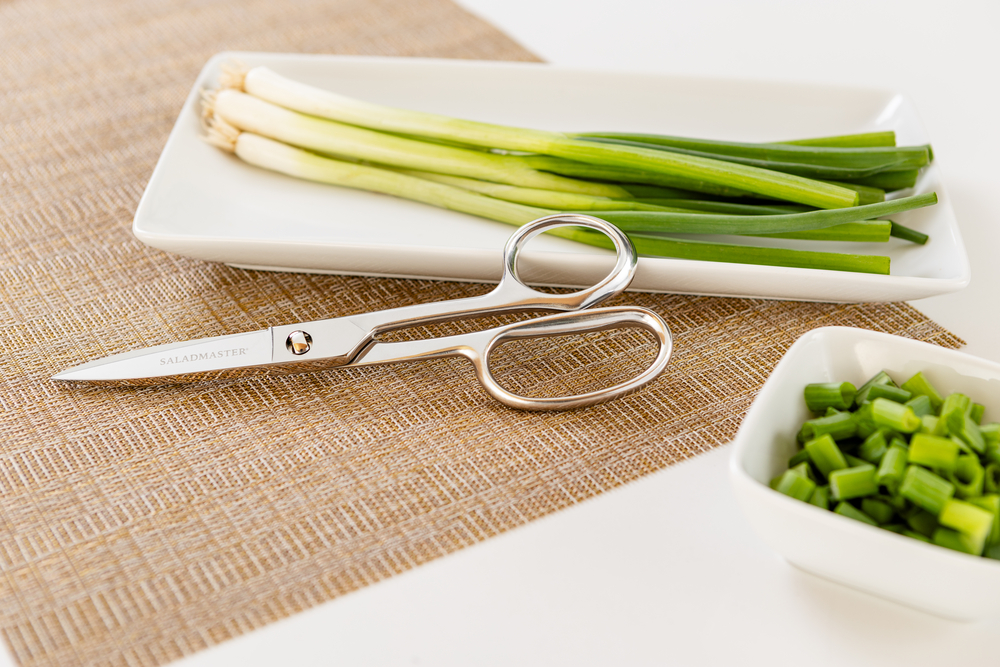
Why Kitchen Shears Are a Game-Changer
What sets kitchen shears apart from the everyday scissors in your junk drawer? It’s all about purpose-built design and resilience. Regular scissors are made for paper or fabric, while kitchen shears are crafted with food in mind, featuring thicker, sharper blades and often a more powerful pivot point. They’re built to withstand repeated use on various food textures, from delicate herbs to tough poultry bones, without dulling or breaking. This robust construction means they can handle tasks that would strain or even damage ordinary scissors, offering superior control and safety.
Unleashing their full potential in your kitchen means experiencing a new level of efficiency. Imagine effortlessly trimming fat from meat, snipping fresh herbs directly into a dish, or opening stubborn packaging without reaching for a knife and cutting board. Kitchen shears simplify these routines, saving you time and minimizing cleanup. They provide a precise, controlled cut that a knife often can’t match for certain jobs, making them an indispensable multi-tool for any culinary enthusiast.
Types of Kitchen Shears and Their Uses
While many kitchen shears are designed for general utility, some excel in specific areas. Understanding these types can help you pinpoint the best kitchen shears for your unique cooking needs.
- Multi-purpose Shears: These are your everyday workhorses, capable of handling a broad spectrum of tasks from opening food packaging to cutting through parchment paper, trimming dough, and snipping vegetables. They often feature stainless steel blades and comfortable handles, sometimes with additional features like bottle openers.
- Poultry Shears: Specifically engineered for breaking down whole chickens or turkeys, these shears typically have heavy-duty, often curved and serrated blades, and a spring-loaded mechanism for extra leverage. They are designed to cut through bone and cartilage with ease, making spatchcocking a breeze.
- Herb Shears: While multi-purpose shears can handle herbs, dedicated herb shears often feature multiple parallel blades to quickly snip herbs into fine pieces, ideal for garnishes or finely chopped ingredients.
- Seafood Shears: With curved, sometimes very thin blades, these are perfect for deveining shrimp or cracking crab and lobster shells, getting into tight spots with precision.
|
Our Picks for the Best Kitchen Shears in 2026
As an Amazon Associate I earn from qualifying purchases.
|
||
| Num | Product | Action |
|---|---|---|
| 1 | KitchenAid All Purpose Kitchen Shears with Protective Sheath Durable Stainless Steel Scissors, Dishwasher Safe, Soft Grip Comfort Handle, 8.72 Inch, Black |

|
| 2 | Kitchen Scissors all Purpose, Stainless Steel Kitchen Shears, Meat Scissors Heavy Duty Sharp Shears, Kitchens Accessories Cooking Shear for Meat Chicken Fish Poultry Herb Bread |
|
| 3 | OXO Good Grips Multi-Purpose Kitchen and Herbs Scissors |
|
| 4 | iBayam Kitchen Scissors All Purpose Heavy Duty, Kitchen Utensils Set, Stainless Steel Cooking Utensils Gadgets, Meat Poultry Food Shears Dishwasher Safe Utility Tools Home Gift, with Protective Sheath |
|
| 5 | HUUSK Kitchen Scissors All Purpose - Stainless Steel Kitchen Shear, Sharp Silver Meat Scissors Dishwasher Safe, Heavy Duty Poultry Shears, Japanese Cooking Scissor for Food, Christmas Gifts for Women |
|
| 6 | Kitchen Shears by Gidli - Liftime Replacement Warranty* - Includes Seafood Scissors As a Bonus - Heavy Duty Utility Stainless Steel All Purpose Ultra Sharp Scissors for Food/Cooking |
|
| 7 | KitchenAid All Purpose Kitchen Shears with Protective Sheath Durable Stainless Steel Scissors, Dishwasher Safe, Soft Grip Comfort Handle, 8.72 Inch, Red |
|
| 8 | Kitchen Scissors for Food Japanese - Poultry Shears, Japanese All Purpose Heavy Duty for Chicken Wing/Bone, Meat, Quail, Fish, Turkey, Vegetables, Stainless Steel Cooking Aid Scissors, Dishwasher Safe |
|
| 9 | HENCKELS Kitchen Shears, Made in Japan, Kitchen Scissors |
|
| 10 | Hammer Stahl Kitchen Shears |
|
Your Buying Guide: How to Pick the Best Kitchen Shears
Choosing the best kitchen shears involves looking beyond just price. Here are the crucial factors to consider to ensure you invest in a pair that will serve you well for years.
Blade Material and Sharpness
The heart of any good shear lies in its blades. Look for high-quality stainless steel or high-carbon steel blades. These materials offer excellent durability, resist rust and corrosion, and hold a sharp edge longer. Many top-rated shears feature micro-serrations on one blade. This textured edge helps grip slippery foods, like raw chicken skin or delicate herbs, preventing them from sliding while the other straight blade provides a clean cut. Sharpness is paramount; test them on something simple like a piece of paper or a chive to ensure they slice cleanly without tearing.
Blade Design and Length
Kitchen shears typically come with blade lengths ranging from 3 to 8 inches. Shorter, more compact blades can offer greater control and leverage for heavy-duty tasks like cutting bone, while longer blades might be better for broader cuts. A highly desirable feature is a “take-apart” or “come-apart” design. This allows you to separate the blades for thorough cleaning, especially after handling raw meats, and makes sharpening much easier.
Handle Comfort and Grip
You’ll be putting these shears through their paces, so comfortable handles are a non-negotiable. Ergonomic designs with soft-touch grips or silicone padding can significantly reduce hand fatigue, even during extended use. Large, open finger loops are ideal, accommodating various hand sizes and providing a firm, non-slip grip, even when wet. Ambidextrous designs are a bonus, ensuring comfort for both left and right-handed users.
Durability and Construction
A sturdy hinge and overall robust construction are vital for longevity. Avoid shears that feel flimsy or have loose blades, as these will quickly lose their effectiveness. The best kitchen shears are well-balanced, feeling substantial in your hand without being overly heavy.
Versatility and Additional Features
Many modern kitchen shears are designed to be true multi-tools. Common extra features include:
- Bottle openers
- Nutcrackers
- Fish scalers (often integrated into one of the blades)
- Herb strippers (small notches in the handle or blade)
- Jar lid openers
- Even a flathead screwdriver tip on the handle for quick fixes.
While these features aren’t essential for cutting, they add immense value and convenience, helping to declutter your gadget drawer.
Ease of Cleaning
As mentioned, detachable blades are a game-changer for hygiene, especially after dealing with raw poultry. Some shears are also dishwasher safe, but it’s often recommended to handwash and thoroughly dry them to prevent rust, particularly around the pivot pin.
Mastering Your Kitchen Shears: Safe and Effective Use
Once you have the best kitchen shears in hand, knowing how to use them safely and effectively maximizes their utility.
General Cutting Techniques
For everyday tasks, use your shears to:
- Snip fresh herbs: Hold herbs in a bunch and snip directly over your dish for even distribution and minimal bruising.
- Cut vegetables: Trim green beans, snip scallions, or chop sun-dried tomatoes with precision.
- Open packaging: Easily cut open plastic bags, vacuum-sealed meats, or cardboard boxes without fumbling for a knife.
- Slice dough or pastry: Achieve clean edges on pie crusts or quickly portion dough for baking.
Tackling Tougher Tasks
This is where kitchen shears truly shine against knives for specific jobs:
- Breaking down poultry: Use heavy-duty shears to remove the backbone for spatchcocking a chicken, cut through chicken pieces, or trim excess skin and fat. The leverage and grip make this significantly easier and safer than a knife.
- Cutting meat: Snip bacon into lardons directly over the pan, cut cooked meats for salads, or trim silver skin from tenderloins.
- Cracking nuts/shellfish: Utilize integrated nutcrackers or the blunt side of the blades for quick cracking.
- Preparing fish: Trim fins, cut fish into portions, or use a descaling feature if present.
Safety First
Even the best kitchen shears are sharp tools. Always handle them with care. Use them on a stable surface or over a bowl. When not in use, ensure they are stored safely, ideally with a blade guard or in a locked position if they have one, away from children.
Keeping Them Sharp: Maintenance and Cleaning Tips
To ensure your investment lasts, proper maintenance is key.
Regular Hand Washing
After each use, especially with raw proteins, handwash your kitchen shears with warm, soapy water. This removes food particles and prevents bacteria buildup.
Detachable Design Advantage
If your shears come apart, separate the blades to clean the pivot point thoroughly. This area can trap food and moisture, leading to rust. Emily Davies, a seasoned kitchen tool expert, often advises, “A take-apart design is invaluable for hygiene; you simply can’t get into all the nooks and crannies of a fixed-blade shear for a truly deep clean. It’s a small feature that makes a huge difference in the longevity and safety of your tool.” Rinse thoroughly and dry immediately to prevent water spots and rust.
Sharpening
Even the sharpest blades will dull over time. Regular sharpening is crucial. You can use a sharpening stone or a dedicated kitchen shear sharpener. If your shears have serrated blades, use a sharpener designed for serrations. Follow the manufacturer’s instructions for the correct sharpening angle, typically 15-20 degrees.
Proper Storage
Store your clean, dry shears in a drawer with a blade sheath, on a magnetic knife strip, or in a knife block. This protects the blades from damage and keeps them safely out of the way.
Beyond the Basics: Creative Applications for Your Kitchen Shears
The versatility of the best kitchen shears extends far beyond traditional food prep. Get ready to be amazed by their many creative uses:
- Cutting Pizza: Forget the messy pizza wheel! Shears offer clean, precise cuts without dragging toppings.
- Chopping Dried Fruit: Quickly snip sticky dried apricots or dates for baking without getting your knife gummed up.
- Trimming Bacon: Cut raw bacon strips directly into the pan for perfect lardons.
- Opening Stubborn Packaging: From vacuum-sealed meat packages to tough plastic clamshells, shears make quick work of them.
- Gardening Chores: Snip herbs from your garden or trim small stems.
- Crafting and Home Fixes: Cut twine, trim loose threads from clothing, or even use a bottle opener feature on non-food items.
- Emergency First Aid: In a pinch, they can cut bandages or medical tape cleanly.
The Unsung Hero: Benefits and Convenience Over Knives
While a chef’s knife is undeniably fundamental, the best kitchen shears offer distinct advantages for many kitchen tasks. They provide superior precision and control for intricate cuts, making delicate tasks like deveining shrimp or trimming small garnishes much easier. Often, they create less mess, allowing you to cut ingredients directly into bowls or pans, bypassing the need for a cutting board entirely. For tasks like spatchcocking poultry or segmenting raw meat, the leverage and grip of shears make the process faster, safer, and more efficient than struggling with a knife. Think of them as your kitchen’s ultimate multi-tool, always ready to step in when a knife feels like overkill or simply isn’t the best tool for the job.
Frequently Asked Questions
What makes kitchen shears different from regular scissors?
Kitchen shears are designed for heavy-duty kitchen tasks, featuring robust, sharp stainless steel blades, often with micro-serrations, and ergonomic handles for a comfortable, secure grip. Regular scissors, in contrast, are typically lighter and designed for paper, fabric, or other non-food materials.
Can kitchen shears cut through bone?
Yes, many heavy-duty kitchen shears, particularly those labeled as “poultry shears” or “heavy-duty utility shears,” are specifically designed to cut through small bones like those found in chicken or fish. Always check the manufacturer’s specifications to ensure your shears are rated for this task.
How do you clean kitchen shears?
The most effective way to clean kitchen shears, especially after contact with raw meat, is to handwash them with warm, soapy water. If they have a “take-apart” design, separate the blades for a thorough cleaning of the pivot point, rinse well, and dry immediately to prevent rust.
How often should I sharpen my kitchen shears?
The frequency of sharpening depends on how often you use your shears and what you’re cutting. For regular use, sharpening them a few times a year or whenever you notice them struggling to make clean cuts is a good practice.
Are all kitchen shears dishwasher safe?
No, not all kitchen shears are dishwasher safe. While some models claim to be, harsh dishwasher detergents and high heat can sometimes lead to rust or dulling of the blades, particularly around the pivot point. Handwashing is generally recommended to prolong their lifespan.
Conclusion
The journey to finding the best kitchen shears is about discovering a tool that truly complements your cooking style, offering unmatched versatility, precision, and convenience. From effortlessly breaking down poultry to delicately snipping herbs, and even handling unexpected household tasks, a quality pair of kitchen shears can revolutionize your approach to food preparation. They’re more than just a convenience; they’re an investment in efficiency and culinary enjoyment. So, take the leap, explore the options, and equip your kitchen with this indispensable multi-tool. We’re confident you’ll wonder how you ever managed without them!